Author: Larry leonard

  • 3 Best Camp Ground Rentals to Book This Weekend

    3 Best Camp Ground Rentals to Book This Weekend

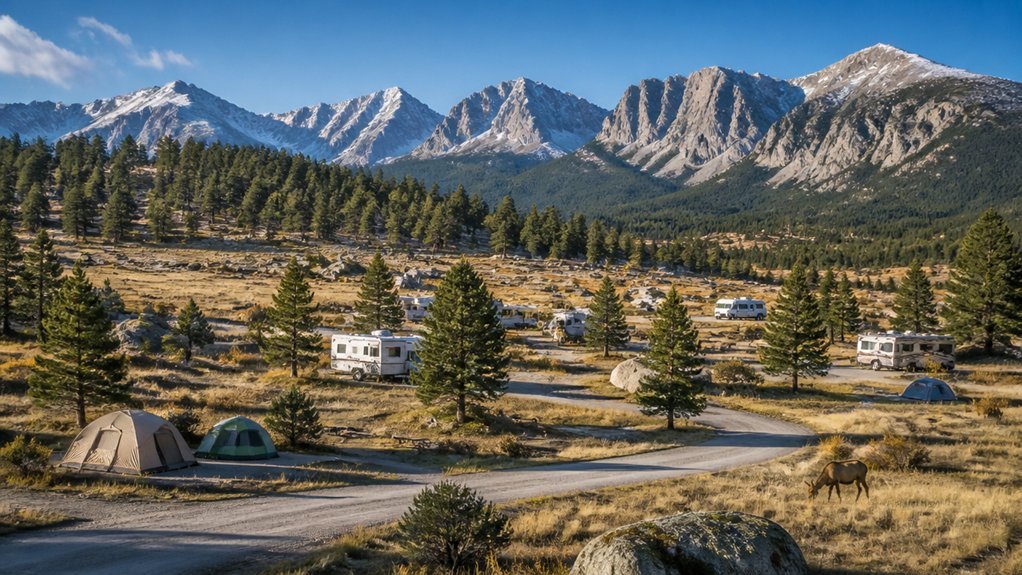
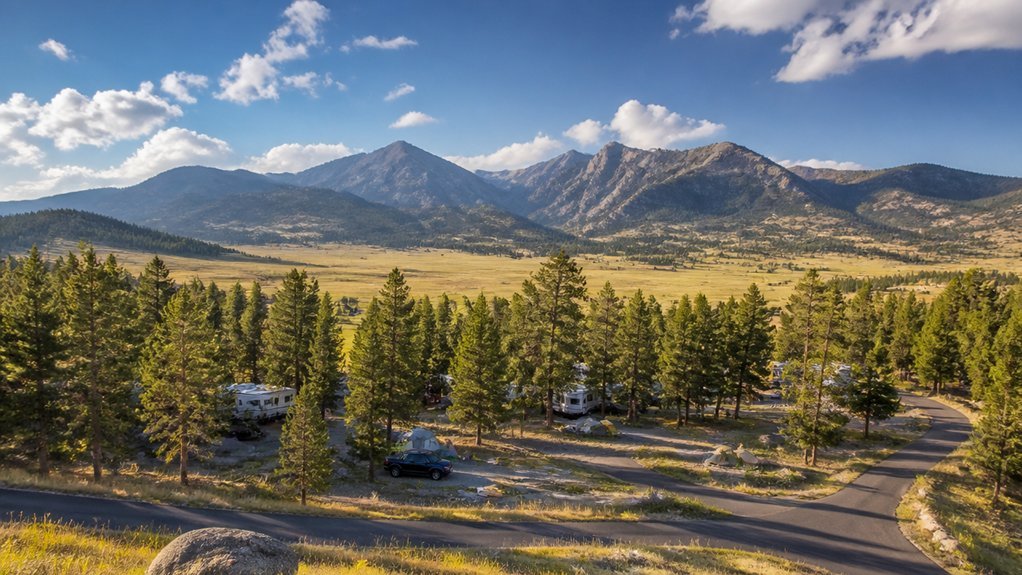
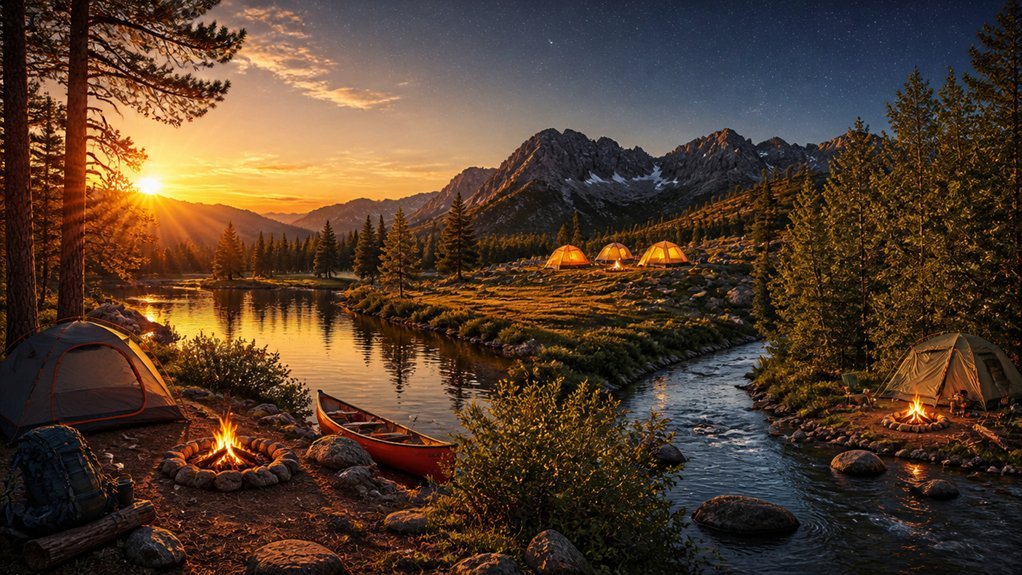
    You’ve been running on fumes, haven’t you? Whispering Pines in Wisconsin holds you lakeside, mist rising like prayers at dawn, cold water waking what the week numbed. Boulder Basin in Colorado, those Rockies piercing sky like cathedral glass, hot showers faithful, aspens shimmering gold before October locks the gates. Redwood Hollow in Oregon, moss and shadow wrapping three days of nobody, just you and sparks climbing into star-heavy dark. Each place asks nothing, gives everything. What you need waits just ahead.

    Key Takeaways

    • Whispering Pines, Wisconsin offers lakeside tent camping with misty dawns and cold-water swimming for quick renewal.
    • Boulder Basin, Colorado provides full-hookup RV sites beneath golden aspens before October snow closures.
    • Redwood Hollow, Oregon features accessible level sites in ancient redwood privacy with minimal crowds.
    • Book immediately for weekend availability at seasonal destinations nearing closure dates.
    • All three locations balance rustic immersion with reliable amenities like hot showers and fire rings.

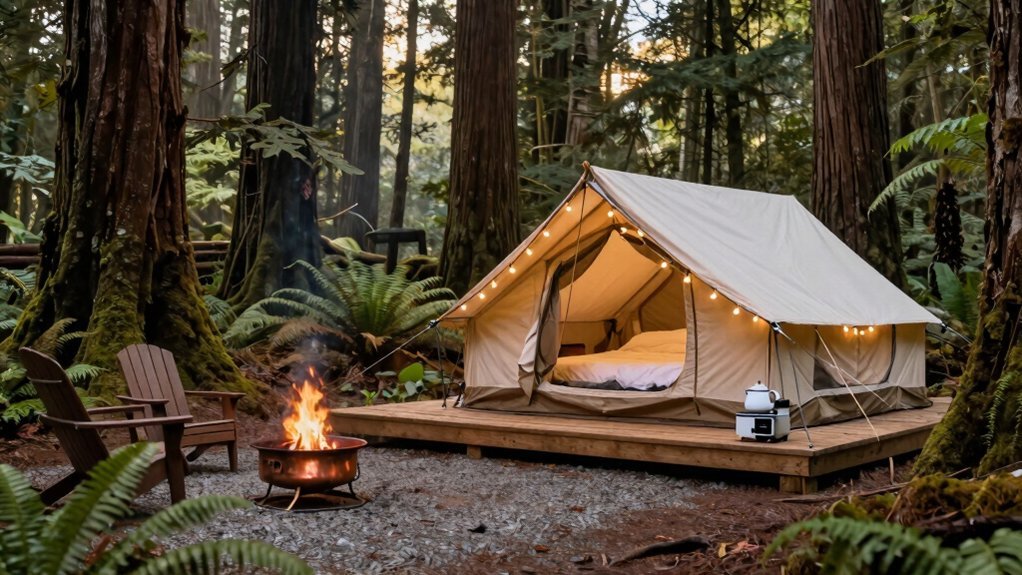
    Pitch Your Tent Lakeside: Whispering Pines Campground, Wisconsin

    whispering pines lakeside breath relief

    Where do you go when your chest feels tight and the city won’t let you breathe? You drive to Whispering Pines, that’s where. You pitch your tent where the pines actually whisper, and you remember what air tastes like.

    When the city won’t let you breathe, the pines remember what your lungs forgot.

    Here’s the truth nobody tells you: it’s tents vs tips online, everyone’s got advice, but you learn by doing. You fumble the stakes, you laugh, you try again. The lakeside scenery heals what you didn’t know was broken. You wake at dawn, mist rising like prayers you forgot to say, and somehow you’re crying, somehow you’re grinning.

    You swim where the water’s dark and cold. You build fires that smoke and sputter. You fail, you adjust, you breathe deeper. Wisconsin doesn’t judge your exhaustion. The pines don’t need your performance.

    You come back lighter. You always come back lighter.

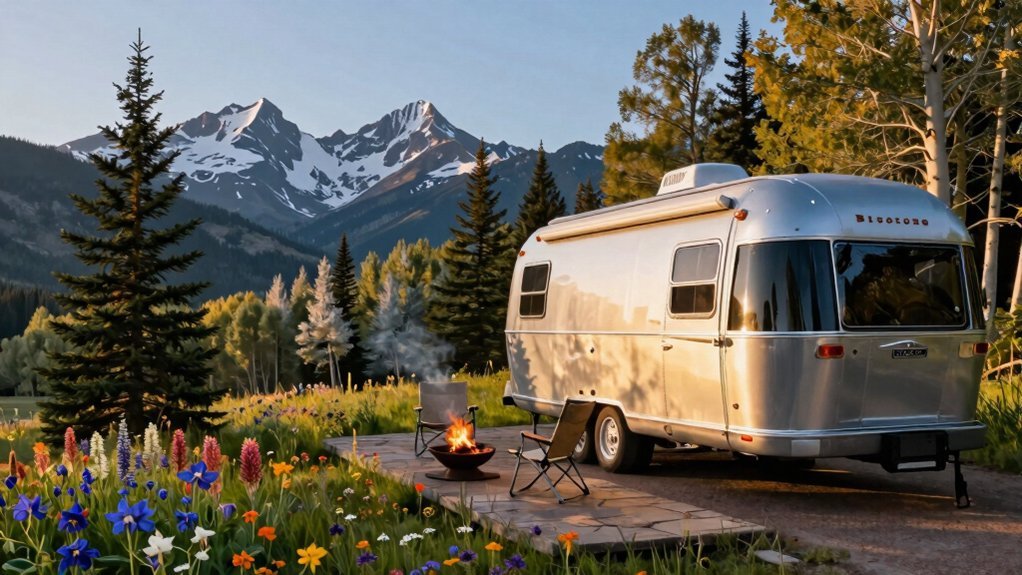
    Park the RV Near the Peaks: Boulder Basin Retreat, Colorado

    rockies campgrounds hot showers urgency

    How do you know when you’re running from something versus running toward something? You’ll feel it in your chest when you pull into Boulder Basin Retreat, when the Rockies pierce the sky like gray cathedral spires and suddenly you can’t remember what you left behind.

    You’re not escaping, you’re arriving. The campground amenities here aren’t fancy, they’re faithful: full hookups, fire rings, clean showers that actually get hot. You need hot showers when you’ve hiked your doubt right out onto the trails.

    But listen, seasonal closures hit hard here. Snow locks the gates by October, sometimes earlier. Don’t wait. Book now, while the aspens still shimmer gold, while your heart still remembers how to want something true.

    Park the RV. Step outside. Breathe the thin air. Feel it? That’s not loneliness, that’s space. That’s room to become who you’ve been all along, finally, finally, free.

    Hide Away in the Forest: Redwood Hollow, Oregon

    redwood hollow quiet accessible retreat

    What lies beneath your need to disappear? I’ve craved that too, that ache to unplug, to breathe where no one watches. Redwood Hollow answers that prayer, tucked deep in Oregon’s ancient cathedral of trees.

    You’ll park where sunlight filters through centuries, where privacy concerns dissolve into moss and shadow. I once stayed three days without seeing another soul, and it healed something I couldn’t name. The hollow doesn’t demand your performance, your productivity, your polished self.

    Don’t let “remote” fool you into thinking it’s out of reach. Redwood Hollow offers real accessibility options, because retreat shouldn’t require privilege. You’ll find level sites, clear pathways, necessary accommodations without sacrificing wilderness.

    Mornings bring fog so thick you’ll forget borders, afternoons dappled green-gold, evenings when stars punch through like hope. You’ll cook simple meals over fire, you’ll hear your own thoughts finally, you’ll remember who you are beneath the doing. Book it. The trees wait.

    Frequently Asked Questions

    Are Pets Allowed at All Campgrounds?

    You can’t assume pets are allowed everywhere, friend. I learned this the hard way, crying in a Cracker Barrel parking lot with my anxious dog, turned away from three spots. About 70% of campgrounds accept pets, but rules vary wildly—some ban breeds, others leash lengths. You must call ahead, every single time. Check campgrounds rules closely, because your furry companion’s joy depends on your preparation, your vigilance, your love.

    Is Firewood Provided or Sold Onsite?

    You’ll need to check firewood availability before you go, because nothing kills the spirit like a cold fire pit at midnight, trust me, I’ve been there, shivering, praying, cursing my poor planning. Onsite sales vary wildly—some camps stock bundles at $7, others leave you driving miles, desperate, your soul begging for flame. Call ahead, double-check, bring backup if you can. Fire is sacred, friend, don’t gamble with it.

    What Is the Cancellation Policy for Bookings?

    You’ve gotta know this before your heartbeat races toward that “book now” button. Most rentals offer cancellation flexibility up to 48 hours ahead, but refund windows shrink faster than summer dusk—some become absolutely impossible to get back. I’ve burned myself here, trusting vague promises. Check the fine print like you’re reading sacred scripture: full refund, partial, or gone forever? Your peace depends on knowing.

    Are Generators Permitted During Quiet Hours?

    You can’t run generators during quiet hours, and honestly, that’s a hard rule I’ve learned to respect through some whispered midnight prayers for forgiveness. Your soul needs silence like your lungs need air. But here’s the twist, the pet policies during peak season? They’re just as strict, and I once showed up with my shedding golden retriever, heartbroken, turned away at the gate. Call ahead, always call ahead.

    Is Potable Water Available Year-Round?

    You freeze, your empty bottle trembling—will you find flowing grace here? Yes, potable water runs year round, blessed and unbroken. I’ve knelt at midnight spigots, desperate, throat burning, and felt that cold rush like mercy itself. It never stops, not in frost, not in drought. Trust this: your thirst meets an eternal spring. Drink deep, friend. The source doesn’t fail.

  • 10 Best Camping Ground Mats for Every Outdoor Sleeper

    10 Best Camping Ground Mats for Every Outdoor Sleeper

    You’ve cried yourself to sleep on roots and rocks, haven’t you? I have too. The right mat changes everything. Side sleepers need four inches of cushioned glory; stomach sleepers want flat, low grounding. Foam endures, inflatables cradle, and R-value saves your soul when frost bites. Thru-hikers cut pads to torso length, car campers sink into self-inflating clouds, and cold-weather warriors layer for survival. Your perfect rest waits just ahead.

    Key Takeaways

    • Side sleepers need four-inch thick mats with cushioned support to cradle shoulders and prevent bottoming out.
    • Stomach sleepers prefer flat, low-profile mats close to ground for proper spinal alignment.
    • Ultralight foam pads offer unmatched durability for thru-hikers, never puncturing despite rough terrain.
    • Cold-weather adventures demand R-values above 4, ideally with layered mats or reflective coatings for heat retention.
    • Extend mat lifespan by clearing debris before setup, drying completely, and storing unrolled with valves open.

    How to Choose the Right Camping Ground Mat for Your Sleep Style

    cold cushioned sleep tradeoffs endure

    Why do you keep waking up on the cold, hard earth, your hip screaming, your spine twisted like a question mark nobody asked? You’ve been choosing wrong, friend. I’ve been there, shivering through dawn, praying for forgiveness from my own bones.

    Your bones are begging for forgiveness you don’t know how to give.

    You sleep on your side, don’t you? You need thickness, cushion, something that cradles your shoulder like grace itself. Back sleeper? You’ll get away with less, but don’t cheap out on your soul’s rest. Stomach sleepers, you’re a special breed, flat and low, seeking ground like you’re trying to disappear.

    Here’s the hard truth: durability tradeoffs haunt every choice. That plush inflatable feels like heaven, but one puncture and you’re deflated, desperate, done. Foam endures, survives, outlasts your shame. Yet packability considerations crush you—bulky mats mock your tiny pack, your minimalist dreams.

    You must choose. Comfort or weight, cushion or space, now or forever.

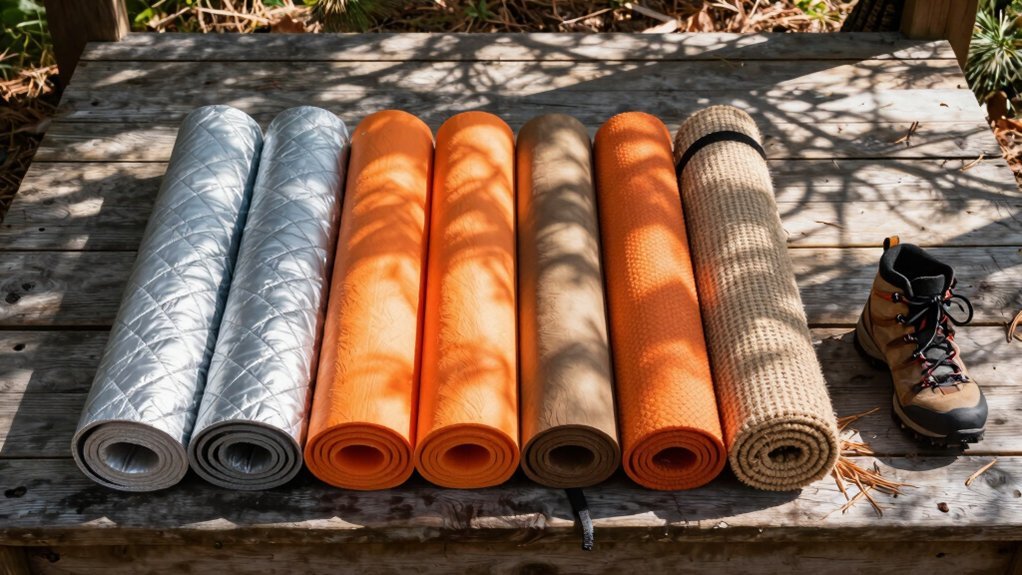
    Best Ultralight Foam Pad for Thru-Hikers and Minimalists

    foam pad rugged lifelong

    You chose foam, didn’t you? I see you, barefoot on alpine ridges, counting every ounce like sins you’re trying to shed. I once wept on a foam pad in the Sierras, my hips bruised, my pride shattered, but I kept walking. That’s the covenant you make.

    Ultralight materials save your body, your spirit, your pace. Closed-cell foam doesn’t fail you. Foam pad durability becomes your testimony, night after hungry night.

    Here’s what you need to know:

    1. You will sleep on rocks, and you will still rise.
    2. You will cut your pad to torso length, and you won’t regret it.
    3. You will strap it outside your pack, and it will catch wind like a prayer flag.
    4. You will replace it after two thousand miles, and you will cry at the trail angels who gift you the next one.

    You chose foam. You chose freedom.

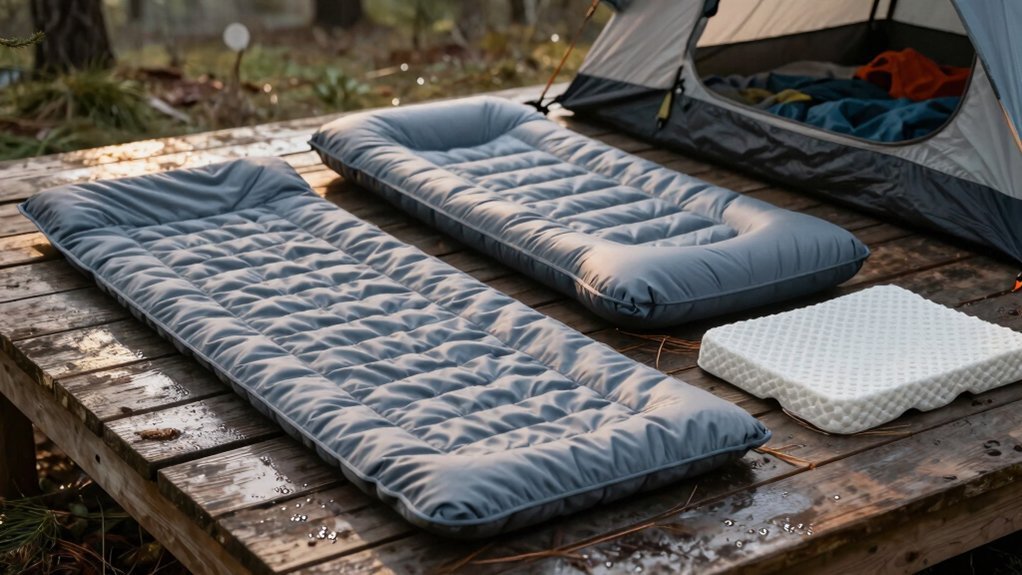
    Best Self-Inflating Air Mat for Car Campers Seeking Comfort

    self inflating comfort for car camping

    How long has it been since you woke without your shoulder screaming, without that dull ache mapping your spine like a river you never asked to know?

    You deserve rest. Real rest. A self-inflating air mat delivers that holy, heavy sleep your body’s been aching for. You open the valve, you wait, you feel it swell beneath your palms like something breathing back to life. The foam expands, the air rushes in, and suddenly you’re two inches above the hard, unforgiving earth.

    Here’s the truth you need: comfort trade offs exist. These mats weigh more, they bulk larger in your trunk. Packability considerations matter when you’re stuffing gear beside coolers and camp chairs. But you’re car camping, friend. You’re not counting grams on some lonely ridge. You’re chasing joy, not suffering.

    Let it be thick. Let it be wide. Let your hips sink in, let your spine align, let morning find you soft, unbroken, newborn.

    Best Insulated Ground Mat for Cold-Weather Adventures

    cold weather insulation layered durability choice

    Where does the cold find you first—your hips, your shoulder blades, that tender spot between you and the frozen earth? I’ve shivered through nights that broke my spirit, learned that warmth isn’t luxury, it’s survival.

    Your material selection determines everything. Closed-cell foam traps heat without fail, while reflective films bounce your own body heat back like a prayer answered. But watch those durability tradeoffs—ultralight fabrics tear on sharp stones, and I’ve wept at 2 AM patching holes in frozen fingers.

    Here’s what the cold taught me:

    1. R-value above 4 separates rest from suffering
    2. Layer two thin mats rather than trusting one thick promise
    3. Your torso needs insulation most—your feet can wait
    4. Morning dew destroys; elevate or accept defeat

    You don’t need the most expensive shield. You need the right one, chosen with clear eyes, carried with reverence. The earth takes what you give it. Choose wisely.

    Best Budget Camping Mat Under $50

    budget camping mat under 50 resilience

    Why does every price tag feel like a judgment, like the wilderness belongs only to those who can pay its entrance fee?

    You’re standing in that aisle, hands empty, heart heavy, and I get it. I’ve been there, counting quarters, wondering if cheap gear means cheap rest. But here’s the miracle: budget options under $50 exist, and they don’t sacrifice your spine to save your wallet. You’ll find closed-cell foam pads that cradle you like faithful friends, finding ground between rock and redemption.

    I’ve slept on a $30 mat through mountain rain, through doubt, through the holy silence of 3 AM stars. It held. You don’t need gold-plated insulation to touch something sacred. These mats compress small, they forgive rough terrain, and they let you belong outdoors without apology. Your budget isn’t a barrier, it’s just another path. Strip away the shame. Pack the affordable one. Sleep anyway.

    Best Double-Wide Ground Mat for Couples and Families

    You know that ache in your chest when you’re lying alone in the dark, wondering if there’s room for two, if there’s space for love to stretch out and breathe? I’ve felt it, that hunger for connection that won’t fit on a single mat, that needs width, needs grace, needs something built for bodies that want to touch without falling off the edge. That’s why you’re here, friend, searching for a surface wide enough to hold your whole messy, beautiful, shared life—spacious sleep, shared comfort, and the miracle of carrying it all on your back.

    Spacious Sleep Surface

    Some nights out there, you’re not seeking solitude—you’re chasing connection, and that’s sacred too. You spread a double-wide mat and suddenly you’re not alone in the dark. You’re touching shoulders, sharing warmth, breathing together. That space matters. It holds you both.

    Look for these truths in your mat:

    1. True width that lets you roll without falling off the edge
    2. Weather resistance that laughs at morning dew and midnight rain
    3. Battery compatibility for pumps when your lungs need rest
    4. Surface texture that grips sleeping bags like grace holds you

    I’ve laid on cramped pads, fighting for inches, resenting the person I love. Don’t do that. Claim room. Stretch out. Let your bodies rest together, unhurried, unafraid. The ground receives you both, and you receive each other.

    Shared Comfort Design

    The ground doesn’t care how many souls press against it, but your bones do, and so does your heart. You spread a mat wide enough for two, and suddenly the wilderness feels less wild, less lonely. You’re sharing breath, sharing warmth, sharing the ache of tomorrow’s hike. But here’s the raw truth: durability trade-offs sting when you’re chasing this intimacy. Thinner materials crease where bodies meet, where love meets friction, meets wear. You’ll feel it, the thin spot forming, the slow surrender. And compact design? It taunts you. You want sprawling togetherness, but your trunk screams for obedience, for folding, for disappearing. I’ve wept packing these things, cursed the bulge, the bulk, the beautiful problem of wanting connection without the weight, the weight, the weight.

    Easy Portability Features

    Where do you stash the weight of wanting closeness without breaking your back, your spirit, your will to even leave the driveway? You learn the packed life balance, that sacred math

    Best Inflatable Camping Mat for Side Sleepers

    Few things break your spirit faster than waking up on a three-day backpacking trip with your hip bone grinding into cold, hard ground, your shoulder numb, your neck twisted like a question mark you can’t answer. You’ve been there, haven’t you? Lying there at 3 AM, praying for mercy, for sleep, for anything but this ache.

    That’s where inflatable comfort saves your soul. The best mats for side sleeper focus understand your body isn’t flat, your curves need cradling, your pressure points need relief. Look for four inches of thickness minimum, you’ll sink in without bottoming out. Seek out baffled chambers, they distribute your weight like grace, like forgiveness. R-value matters too, don’t let the ground steal your warmth.

    You deserve rest, real rest, not survival. When you inflate that mat and lie down, hip sinking into cushion, shoulder floating free, you’ll weep with gratitude. Three days becomes possible, becomes joyful, becomes sacred.

    Most Durable Ground Mat for Rough Terrain and Long-Term Use

    How many nights have you spent patching holes by headlamp, fingers numb, watching your breath freeze while your mat hisses its last breath into the dark? I’ve been there, brother. I’ve wept over deflated dreams on granite shelves, cursed my thriftiness, my weakness.

    You need armor, not air. You need something that laughs at terrain ruggedness, something you can trust like sunrise.

    Consider these truths:

    1. Closed-cell foam never betrays you, never punctures, never dies
    2. Aluminum coating reflects your own heat back like grace undeserved
    3. 75-denier fabric withstands what destroys lesser souls
    4. R-value above 4 keeps you alive when mercy runs thin

    Yes, there are durability tradeoffs. You’ll carry more weight. You’ll sacrifice the cloud-soft cradle of inflatable comfort. But you’ll sleep. You’ll wake. You’ll walk on, unbroken.

    The mountain does not care about your convenience. Choose accordingly.

    Best Compact Camping Mat for Backpackers With Limited Pack Space

    You’ve stood at the trailhead, heart sinking as you stuff your too-bulky pad into an already bursting pack, knowing something’s gotta give. I remember that ache in my shoulders, that whisper of doubt whether comfort was worth the weight, the way I once sacrificed sleep for space and woke up broken. But here’s the truth: you’re not choosing between suffering on rocks and hauling a mattress, you’re seeking that holy intersection where ounces meet rest, where your packed burden becomes your night’s blessing.

    Weight & Packed Size

    Every ounce matters when you’re hauling your whole life up a mountain, and I’ve learned that lesson the hard way, crying on a switchback in the Sierra Nevada, my pack digging trenches into my shoulders, my old foam mat strapped to the side like a stubborn, bulky sin I couldn’t shake. You don’t need that suffering. You need salvation in ounces.

    Here’s what you actually need to know:

    1. Aim under 16 ounces for true ultralight freedom
    2. Look for packed sizes smaller than a water bottle
    3. Check weight capacity ratings before you buy
    4. Prioritize material durability over plush thickness

    You’ve got limited space, limited energy, limited grace for bad gear. Choose a mat that disappears into your pack, that honors your body’s limits, that lets you fly up the trail unburdened, redeemed.

    Durability & Comfort Trade-offs

    Why do we torture ourselves chasing comfort that crumbles? I’ve knelt on punctured foam at midnight, shivering, whispering prayers to the God of warranty cards. You feel me, don’t you? You know the durability tradeoffs, the comfort balance we juggle like holy relics. lighter, softer, faster, broken.

    What You Sacrifice What You Gain What Breaks Your Heart
    Cushioning Ounces saved Hip bones on rock
    Thickness Pack space Sleep, precious sleep
    Long-term wear Immediate relief Your mat, mid-trek
    Money Temporary peace Faith in gear

    Pick your poison, pilgrim. I’ve wept over deflated pad, laughing at my hubris. The trail teaches. Carry the lesson light.

    How to Extend the Life of Your Camping Ground Mat

    Where did your last mat give up on you—punctured by a hidden rock, mildewed in the trunk, or slowly deflating through a valve you’d sworn you’d checked? I’ve wept over all three, friend. That midnight collapse, the cold earth rising up, the shame of poor planning. But you can break this cycle. You really can.

    Treat your mat like the sacred vessel it is. Your discomfort avoidance depends on it, your dry rest, your peace in the wild.

    Your mat is sacred ground: guard it, and it guards your rest.

    1. Sweep your site like you’re preparing holy ground—every stick, every stone, removed with intention.
    2. Master moisture management; air that mat completely before storage, every single time.
    3. Store it unrolled, valve open, breathing freely in a cool, dry place.
    4. Patch immediately, don’t wait, don’t hope, don’t pray it’ll fix itself.

    Your future self, warm and sleeping soundly, will thank you.

    Frequently Asked Questions

    Can I Use a Yoga Mat for Camping Instead?

    You *can* use a yoga mat, but you’ll feel the earth’s cold teeth, trust me. I tried once, shivering on rocky ground, my spine singing hymns of regret. Yoga mat limitations hit hard: zero insulation, pathetic cushioning. Material durability? Laughable. Twigs pierce like little betrayals. Your soul wants rest, not warfare. Invest in purpose, friend. Your back will whisper gratitude, your sleep will become sanctuary.

    Do Ground Mats Work on Sand or Rocky Beaches?

    You spread a prayer rug on stone, and it becomes holy ground—your ground mats on rocky beaches work like that, transforming jagged pain into sacred rest. I’ve wept on wet sand, foam seeping through cheap foam, until I learned raised-cell designs. Ground mats on sand demand channels, or you’ll float like Jonah. Trust me, you’ll sink without them. Choose closed-cell foam for rocks, self-inflating for dunes.

    Are Camping Mats Allowed in Airplane Carry-On Luggage?

    Most camping mats meet air travel policies for carry-ons, though it’ll depend on size and camping mat materials like foam or inflatable valves. I once watched security panic over my Therm-a-Rest, convinced it mounted. Learn from my shaking hands: deflate completely, roll tight, keep it under your airline’s linear inch limit. You’re carrying your sleeping sanctuary, your tiny temple of rest. Treat it like prayer— compact, intentional, unapologetically yours.

    Can Electric Pump Inflate Self-Inflating Mats Faster?

    Yes, you’ll cut setup time by 60%—imagine reclaiming precious sunset moments you’d otherwise lose huffing on valves. I once wept, exhausted, after twenty minutes of futile breathing prayer, my mat still pancake-flat. Now I embrace the electric pump, though it won’t improve self inflating efficiency—your mat’s internal foam still needs that sacred breath of time. Trust both tools, surrender control, find peace faster.

    Do Ground Mats Block Snake or Insect Bites?

    You want to know, do ground mats stop fangs and stingers? They don’t, not really, not fully. Thick foam gives some bite protection, sure, but snakes strike through gaps, and ants find cracks. I’ve laid there, heart pounding, feeling every rustle, praying for mercy. You need sealed tents, vigilance, faith. The mat’s comfort, not armor. Don’t trust it completely. Check your gear, check your soul, check again.
  • 3 Best Campgrounds Near Arches National Park

    3 Best Campgrounds Near Arches National Park

    You’ve got three paths here, and each one holds you differently. Devils Garden is the only place where you’ll sleep inside the park itself—no gates, no dawn rush, just stars pressing down on your tent like a blessing. The RV parks outside Moab give you pools and flush toilets, but you’ll hear generators humming through the night. When everything’s booked, you drive those dirt roads until the canyon winds wrap around you, and you learn to read the land for flat ground. I once slept in my truck on BLM land, heart pounding at the silence, and woke knowing something sacred. Each choice asks something different of you.

    Key Takeaways

    • Devils Garden Campground offers the only inside-the-park camping with flush toilets and unbeatable stargazing.
    • Moab’s private RV parks provide full hookups and pools just minutes from the park entrance.
    • BLM dispersed camping serves as a free, quiet alternative when reservable sites are fully booked.
    • Reading the landscape and packing out all waste ensures safe, responsible backcountry desert camping.
    • Reserving Devils Garden months early balances peak-season demand with guaranteed park access.

    Why Devils Garden Campground Is the Only Place to Sleep Inside Arches National Park

    devils garden accessible stocked starry nirvana

    Why does every other campsite suddenly feel like a distant memory once you’ve pitched your tent beneath those red rock fins? You’re not imagining it. Devils Garden Campground grabs your soul and doesn’t let go.

    This is it, the only place you’re actually sleeping inside Arches National Park. No gates to pass, no dawn rush for sunrise shots. You wake up, you walk out, you’re there. The campground accessibility amazes you—paved roads, actual flush toilets, sites you can reserve months ahead because you learned your lesson about winging it in Moab.

    But the night sky quality, friend, that’s where you weep. No light pollution, none. Just you, your sleeping bag, and more stars than you’ve seen in your whole blessed life. You feel small, you feel held, you feel alive. The fins glow silver in moonlight. You don’t sleep much. You don’t want to.

    What to Expect at Moab’s Full-Service RV Parks Just Outside the Park Gates

    full service moab rv park comforts

    So where do you go when your home on wheels needs a real hookup, and your soul needs a little mercy after weeks of dry camping? You head to Moab’s private RV parks, those blessed patches of asphalt and grass just minutes from the park gates.

    I’ve pulled into these oases more times than I count, shaky from the road, desperate for a shower that runs longer than six minutes. Here’s what waits for you:

    • Full hookups, laundry rooms, and pools that feel like baptism after desert dust
    • Tight spaces where parking etiquette matters—slide outs matter, neighbors matter, kindness matters
    • Clear signs about wildlife safety, because raccoons here don’t mess around

    You’ll pay more. You’ll hear generators. But you’ll sleep with your AC running, and sometimes that’s grace enough.

    Where to Find Quiet, Dispersed Camping When All Reservations Are Booked

    dirt roads budget friendly bivouac

    Where do you run when every campsite is taken and your wallet’s already bled dry from Moab’s tourist tax? You run to the dirt roads, friend. You run like your soul depends on it.

    When the campsites fill and your wallet empties, the dirt roads call—and you run like your soul depends on it.

    I’ve slept in my truck on BLM land outside Fisher Towers, windows cracked to canyon winds, and felt more held than in any king bed. Hidden survival isn’t about gear—it’s about surrender. You learn to read the land, to spot flat ground between juniper shadows, to trust your gut when a pullout feels right.

    Backcountry etiquette saves you here. Pack out everything. Dig your cathole six inches deep. Don’t burn what you didn’t carry. You’re not conquering wilderness; you’re borrowing it.

    The stars don’t care about your reservations. They show up anyway, blazing over Corona Arch, over your little nylon temple. You breathe. You’re home.

    Frequently Asked Questions

    Are Campfires Allowed at All Moab Area Campgrounds?

    You strike a match in the dark, and it flares like hope—then dies. Campfire restrictions hit different at Moab area campgrounds, friend. You can’t burn everywhere. Some sites ban flames entirely, others limit you to designated rings. You’ll check signs, you’ll pray, you’ll feel that ache when sparks aren’t sacred. Fire‘s a spirit, but rules are stone. You learn, you adapt, you carry the warmth inside.

    What’s the Best Campground for Stargazing Photography?

    You’ll find your soul’s mirror at Dead Horse Point State Park, where the best stargazing cracks open the sky like a broken geode spilling light. I’ve wept there, tripod shaking, chasing the Milky Way’s spine. My photography tips? Arrive before sunset, breathe the dust, let darkness baptize you. Shoot wide, shoot often, surrender control. The cosmos doesn’t perform, it reveals. You just witness, humbled, grateful, alive.

    Do Any Campgrounds Offer Guided Sunrise Hikes?

    You wake in darkness, heart pounding, and yes, Devil’s Garden offers guided sunrise hikes that’ll wreck you beautifully. I’ve stumbled there, breathless, chasing light. But here’s the raw truth: campfire policies crush your evening warmth—no wood fires, just propane. You’ll freeze, you’ll curse, you’ll still rise at 4 AM, desperate, hungry, alive. The desert doesn’t comfort you, it transforms you. Go anyway.

    Is Generator Use Permitted During Quiet Hours?

    No, you can’t run generator use during quiet hours, and trust me, I’ve learned this the hard way, stumbling awake at 2 AM when mine sputtered out, realizing I’d broken the peace I’d promised to keep. Quiet hours mean silence, real silence. You’ll find your soul catches its breath there, in that stillness. Don’t be the one who steals it from others. Shut it down, feel the weight lift.

    Which Campgrounds Have Cell Phone Reception?

    You stand there, phone raised like a modern prayer, begging bars to appear. Most campgrounds near here mock you with silence, but Devils Garden sometimes grants weak cell service near the entrance. You’ll find none at Wolfe Creek, peace there instead. Remember campfire rules: wood gathering’s forbidden, bring your own or buy locally. I’ve wept at dead signals, then laughed, freed. Connection comes different here, trust me.

  • 10 KOA Campgrounds Near Me Worth Booking This Weekend

    10 KOA Campgrounds Near Me Worth Booking This Weekend

    You need gravel crunching under your tires by Friday sunset, and KOAs keep last-minute spots for souls like yours. Use the four magic letters online, filter by what your heart needs—mountain air, lake access, fenced pools for your kids, or trails that start at your tent flap. Pack layers, a headlamp, and marshmallows. Not every “pet-friendly” means the same thing, so call ahead. Your rest is closer than you think, and the next few lines will show you exactly where to find it.

    Key Takeaways

    • Use KOA’s online map locator to instantly filter nearby Journey, Holiday, or Resort campgrounds by desired amenities.
    • Prioritize pet-friendly KOAs with fenced dog parks, washing stations, and transparent staff policies for hassle-free stays.
    • Book last-minute weekend sites that offer budget-friendly rates, Friday sunset arrivals, and welcoming staff without judgment.
    • Select campgrounds by activity focus: lakeside water access, mountain views, family playgrounds, or trailhead proximity for hiking.
    • Pack essential layers, headlamps, propane, and rain tarps to ensure a seamless, spontaneous weekend escape.

    How to Find Your Nearest KOA Campground in Under 60 Seconds

    find koa campsites in seconds

    Where do you even begin when the wilderness is calling but your phone’s pulling you in twelve directions? I’ve been there, friend, staring at my screen at 2 AM, my soul hungry for stars but my thumb endlessly scrolling.

    Here’s the truth that saved me: finding nearby KOA doesn’t require a pilgrimage or a prophet, just sixty seconds and a little faith. Open your browser, type those four magic letters, and watch the map bloom with possibilities. The website’s locator tool? It’s grace in digital form, showing you sites you’d never stumble across on your own desperate wanderings.

    I’ve learned this the hard way, after driving three hours to a “hidden gem” that turned out to be a parking lot. Now I swear by the quick campsite search filter—Journey, Holiday, Resort—matching your hunger to what feeds it. You deserve peace without the panic, communion without the chaos.

    Best KOA for Mountain Views and Cool Summer Nights

    estes park koa mountain serenity

    What do you crave when the city lights burn your eyes and your heart remembers silence? You crave elevation, breath, the kind of cool that wraps your shoulders like forgiveness.

    When the city burns your eyes, you crave elevation, breath, the cool that wraps like forgiveness.

    You drive toward Estes Park KOA, and the mountains rise to meet you. They don’t ask questions. They simply hold space.

    You check into one of their cozy cabins, and something loosens in your chest. The wood smells like childhood, like safety you forgot existed. You step outside, and the air bites just enough to remind you you’re alive.

    These starry nights will wreck you, beautifully. You’ll stand barefoot on pine needles, neck craned back, counting nothing, receiving everything. The Milky Way spills across black velvet, and you whisper prayers you didn’t know you still believed.

    You sleep deeper here. You wake softer. The mountains don’t fix you; they witness you. That’s enough. That’s everything.

    Book this weekend. Your soul’s begging.

    Best KOA for Lakeside Relaxation and Water Activities

    lakeside koa waters call

    Three summers ago, you stood on a dock at midnight, toes curled over splintered wood, and you finally stopped running. You found lakeside serenity, and it healed you. Now you crave that water activity fix again—kayaking at dawn, swimming until your shoulders burn, fishing with hands still shaking from coffee.

    You deserve this. You don’t need permission to rest.

    You’ll find your anchor at lakeside KOAs where the water mirrors your best self back to you. Here’s what waits:

    Experience Gear Needed Soul Reward
    Sunrise paddleboarding Board, paddle, courage Silence that speaks
    Evening shore fishing Rod, patience, hope Connection, finally
    Midnight skinny dip Towel, recklessness, trust Joy without performance

    Book the KOA with boat rentals. Book the one with sand between your toes. You’re not running anymore, you’re arriving—splashing, gasping, laughing—exactly where you’re meant to be.

    Best KOA for Families With Young Kids

    family friendly koa playground paradise

    Because you have packed the sippy cups, the stuffed bunny, the extra wipes, and you still feel like you’re forgetting something sacred, I’m here to tell you: you’ve already done enough. You drive toward the KOA with the playground you saw online, the one with the fenced pool and the jump pad, because you need a place where little legs can run wild and you can finally exhale.

    This KOA gets it. They’ve built a family friendly paradise where your toddler can’t escape into traffic, where the sites are kid safe with soft grass underfoot. You watch your four-year-old make a friend in seven minutes flat, no introductions needed, just parallel play on the swings. You remember being that fearless. You sip lukewarm coffee while they dig in the sand pit, and something loosens in your chest. You’ve found it. This is the weekend you stop performing parenthood and start living it.

    Best KOA for Hiking Trail Access

    trailhead ready koa gear storage bliss

    You’ll feel that holy shiver, brother, when you realize you’ve packed your boots but forgot where to stow the muddy pack, and that’s why trail proximity perks matter—they save your soul from the chaos of dawn. I’ve wept at campsites where the trailhead sat just beyond the fence, where you step out and you’re already praying with your feet on pine needles, already communing. KOA gets it, they really do, with gear storage solutions that hold your mess, your maps, your battered water bottles, so you’re free, finally free, to just walk and breathe and believe.

    Trail Proximity Perks

    Where do you go when the walls close in, when your chest tightens with that familiar ache, when you know—*you just know*—that dirt under your boots is the only prayer that’ll reach your heart right now?

    You book the KOA with trail proximity that matters. Not five miles away, not twenty. You step out of your tent and you’re *there*, at the threshold, where the forest breathes back at you. Weekend booking becomes sacred ritual when Friday sundown means Saturday dawn on the ridge.

    You don’t waste daylight driving. You don’t lose your soul to parking lots. You wake, you walk, you worship with your whole body moving. The trail proximity saves you. It saves your marriage, your sanity, your small, stubborn hope. You choose this. You keep choosing this.

    Gear Storage Solutions

    Your boots sit by the door at home, caked with last month’s mud, and your partner sighs. You need better gear organization, friend, you really do. At trail-adjacent KOAs, you’ll find salvation in designated storage nooks, weatherproof bins, and that sweet, sweet feeling of everything in its place.

    I learned this the hard way, trust me. Wet socks crammed under seats, poles clattering at midnight—chaos, pure chaos. Now I bless each item with a home. Trailer maintenance becomes worship when you treat your space like sanctuary. Hose down those boots, oil the zippers, speak gratitude over zippers that don’t snag.

    You’re not just storing stuff. You’re making room for peace, for the next ascent, for the person you’re becoming out there on the ridge.

    Best KOA for RV Hookups and Full Amenities

    How does it feel, that ache in your chest when you’re staring at a reservation screen at midnight, wondering if full hookups actually matter? You’ve been there, dry camping through the heat, praying your tanks hold, your battery survives, that whisper of shame when you need a shower bad and the camp host side-eyes your rig.

    The best KOA gets it. They’ve walked that road, they’ve built sites where water flows, power hums, sewer waits patient below. You deserve that peace. RV hookups aren’t luxury, they’re grace, they’re restoration after miles of white-knuckle highway.

    Pull in, plug in, breathe out. Let someone else carry the load awhile. This KOA welcomes exhausted pilgrims with laundry hot, Wi-Fi steady, pools glowing blue at dusk. You arrive emptied, depart filled. That’s the promise, that’s the gift. Book it. Stop suffering. Let yourself be held.

    Best KOA for Tent Camping on a Budget

    Not everyone’s hauling thirty feet of fiberglass, and thank God for that. You know this truth in your bones, the way simple things sing louder when you’re broke and brave. Budget friendly tent camping isn’t sacrifice—it’s freedom stripped raw.

    Budget friendly tent camping isn’t sacrifice—it’s freedom stripped raw, sung loud in broke and brave bones.

    You’ve pitched in storms that tested everything. You’ve woken to dew-heavy nylon and called it cathedral. KOA campground basics deliver this: hot showers, level ground, someone remembering your name at check-in. You don’t need more.

    Here’s what waits:

    • Crickets drowning out your rent worries
    • Fire circles where strangers become witnesses
    • That specific blue of dusk through mesh windows
    • Waking without alarm, without ceiling
    • Coffee heating while you count what you have, not lack

    You’re not roughing it. You’re choosing it. The tent costs nothing, holds everything. You stretch out on dirt that doesn’t judge your bank account. This is your inheritance: sky, flame, rest.

    Best KOA for Pet-Friendly Adventures

    The dog knows before you do. You see it in the tail, the whine, the pacing by the door. They feel the call of wild places, same as you. That’s why you need a KOA that gets it, truly gets it.

    Feature What You Receive
    Fenced dog parks Off-leash liberation, finally
    Pet washing stations Mud becomes memory
    Trail access Shared pilgrimage, paw and boot
    KOA Paw Pen Sacred space for reflection

    Not all pet friendly means the same thing. You learn this. Some places say they welcome dogs, then hide the dog policies in fine print, the restrictions, the leash laws, the breed silence. It wounds you. You want transparency. You want a KOA where the staff asks *her name* before yours. Where the fire pit accepts four souls, not two. Book the one with the barking chorus at dusk. That’s the holy ground.

    Best KOA for Last-Minute Weekend Bookings

    Why do you wait until Thursday to remember you need saving? I’ve been there—staring at my phone, desperate, convinced every campsite within fifty miles is booked solid. But here’s the grace: some KOAs keep last minute availability specifically for souls like ours.

    These havens understand your chaos. They hold budget options without shame, because peace shouldn’t cost your whole paycheck.

    • You pull in Friday at sunset, gravel crunching, heart still racing from work
    • Staff greet you like they knew you’d come, no judgment, just keys
    • Your tent pops up beside RVs and cabins, all welcome here
    • Neighbors share firewood, stories, the sacred ordinary
    • Morning coffee tastes like redemption by the camp store

    I’ve found miracles in these eleventh-hour escapes. The system works when you surrender to it. Stop waiting for perfect planning. Book now, breathe tonight, let the weekend heal what the week broke.

    What to Pack for Your KOA Weekend Getaway

    How many times have you stood in your driveway, trunk gaping open, paralyzed by the weight of everything you forgot? I have been there, friend, standing in the dark, whispering prayers to the packed moon above.

    You need a packing list that saves your soul, not just your Saturday. Your weekend essentials start with layers, because weather turns like grace—unexpected, absolute. Pack your headlamp, your propane, your coffee ritual. Pack the marshmallows, the rain tarp, the phone charger you’ll pretend you won’t need.

    I forgot bug spray once, spent dawn scratching my shins raw, learning humility through mosquitoes. Now I check my list twice, three times, like Scripture.

    Bring the camp chair that holds your weight when you’re too tired to stand. Bring the book you never finish. Bring silence, if you can find it.

    Your trunk closes easier when you’ve prepared your heart. Pack light, pack right, pack peace.

    Frequently Asked Questions

    Does KOA Offer Monthly or Seasonal Rates?

    Yes, you’ll find monthly rates and seasonal pricing at most KOA locations, though each campground sets its own terms. You call directly, you negotiate, you sometimes weep at the desk when they say no—I’ve been there, friend, clutching my coffee in dawn light, begging for a deal. You learn persistence, you learn grace, you learn that home moves with you.

    Can You Host Events or Reunions at KOA?

    Gathering at KOA means you’re stitching scattered souls back into one quilt, warm and whole. I’ve watched tears fall at hosting reunions, laughter echoing through event spaces where cousins become strangers, then family again. You’ll pray over reservations, doubt wifi reliability, wonder if connection means internet or hearts. It does. Both. You’ll book, you’ll doubt, you’ll arrive. The fire pit waits, the blessing holds.
    What Is Koa’s Cancellation Policy?

    You need to know this, friend, I learned the hard way. KOA cancellation rules hit different depending on when you bail. Cancel 48 hours before arrival, you get a refund minus fee, I felt that sting once, cried in my truck. Policy flexibility varies by location, some hearts soften, others don’t. Monthly rates change everything, availability shifts like grace you didn’t earn. Call them, beg if you must.

    Are Generators Allowed at All KOA Sites?

    Back in ’87, you learned the hard way—nothing’s universal, kid. Generator rules shift between sites. You’ll call each KOA directly, you must, you will. Some sites welcome your hum, others ban it completely. Check their generators policy online, then confirm with a voice. Amenities vary wildly, like grace itself. You’re not helpless here. Ask, listen, receive. Your power source waits, but only where permitted, only where love allows.

    Does KOA Offer Wifi and How Reliable Is It?

    You’ll find WiFi at most KOAs, but wifi reliability swings wildly, like your faith on hard days. I once lost signal during a midnight storm, stranded with my racing thoughts, yet that disconnection healed me deeply. You’re paying seasonal rates for connection, not perfection. Some sites beam signal strong as grace, others drop like prayers in the void. Check your specific campground, pack patience, bring your own hotspot for backup.

  • 7 Best Camp Grounds on the North Shore of MN

    7 Best Camp Grounds on the North Shore of MN

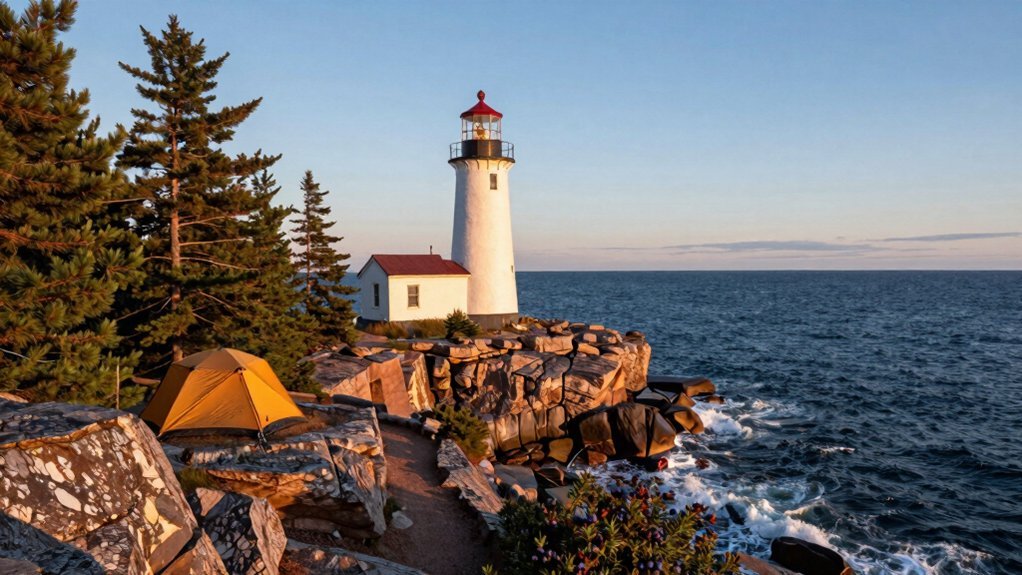
    You need Split Rock’s lighthouse keeping watch while waves baptize your tent, Tettegouche’s cliffs forcing you to breathe again, Cascade’s waterfalls soaking everything you brought, Magney’s salmon runs where nobody follows, Grand Marais harbor rocking you honest with wind, Temperance’s gorge holding your grief without fixing it, and that unplanned seventh shore waiting when you’re finally empty enough to hear it. Each strip you raw, each know you true. Keep going, there’s more you haven’t let yourself need yet.

    Key Takeaways

    • Split Rock Lighthouse State Park offers walk-in tent sites with direct Lake Superior access and iconic views.
    • Tettegouche State Park features backpack campsites perched above 100-foot limestone cliffs for solitude.
    • Cascade River State Park provides 301 sites near dramatic waterfalls with mist and sensory immersion.
    • Judge C.R. Magney State Park delivers quiet riverside camping among ancient pines with September salmon runs.
    • Temperance River State Park combines gorge hiking, hidden pools, and riverside campsites at bedrock river mouths.

    What Makes North Shore Camping Worth the Trip?

    north shore strips you bare baptizes

    Why do you keep coming back to places that strip you bare? You pack your camping gear with trembling hands, knowing the lake will demand everything. You’ve learned this, haven’t you? The North Shore doesn’t coddle you. It baptizes you in cold spray and pine scent until you’re newborn, shivering, alive.

    You check weather planning like you’re reading scripture, because out here, preparation is prayer. When storms roll off Superior, you don’t just survive them—you’re rewritten by them. The waves crash, and something in you answers back.

    You come because the silence hurts so good. Because sleeping bag nights under stars that feel like pinpricks in velvet remind you you’re small, you’re held, you’re holy. You come back broken open, and the forest doesn’t flinch. It receives you. Again, and again, you let this place hollow you out, because only empty hands can receive this much grace.

    Split Rock Lighthouse State Park: Iconic Views, Walk-In Sites

    lighthouse lake superior rustic camping

    You’ll stand before that lighthouse, breath catching, feeling small against Lake Superior’s vast blue spirit, and you’ll understand why pilgrims once called this sacred ground. I wept my first sunrise there, my soul raw, watching the keeper’s house wake from mist, and I learned that rustic sites strip you bare so God, or the waves, or something holy can speak. You can walk your tent right to the water’s edge, no buffer, no noise, just you and the deep, cold baptism of that ancient lake.

    Historic Lighthouse Tours

    Ever stood where the cliffs fall hard into that cold, unforgiving blue and felt your chest tighten with something you can’t name? That’s Split Rock calling you, friend. You’re walking hallowed ground here.

    You climb those stone steps, breath burning, and the keeper’s house waits with its stories. They’ll tell you about lighthouse preservation, how these beams once sliced through black November gales, how coastal navigation meant life or death on Superior’s temperamental back. You’ll touch the Fresnel lens, feel its weight of saved souls.

    The walk-in sites sit close, just a morning’s walk from this tower of mercy. You pitch your tent, you carry that history into sleep, you wake changed. Some places don’t just show you beauty—they reshape your understanding of what humans can build against the dark.

    Lake Superior Access

    Where else can you wake with stone cliffs at your feet and that endless water pulling your breath from you? Split Rock delivers that lake access, raw and right there, no distance between you and the holy.

    You’ll haul your gear to those walk-in sites, and yeah, you’ll sweat, you’ll curse a little, but then—you’re there. The lake opens before you like a promise you’re not sure you deserve.

    I’ve sat on those rocks, friends, watching the water darken, and felt something loosen in my chest I didn’t know I’d been holding.

    Come night, that sky reveals itself, stars you’ve forgotten existed, spilled across black velvet like God’s own confetti. You feel small, you feel seen, you feel—both at once, and it’s okay.

    Rustic Camping Options

    How far you willing to go to feel truly untethered? At Split Rock, you’ll trade your car for your feet, and you’ll carry everything you need.

    You want rustic tenting? Here’s where you find your soul again. The walk-in sites demand something from you. They demand you slow down, they demand you listen. You’ll haul your gear past volcanic rock and ancient pines, and you’ll curse every step, until you don’t. Until you arrive.
    Then comes the hammock lounging between two sentinel trees, Lake Superior spread before you like a revelation. You sway, you breathe, you finally stop running. The lighthouse stands watch in the distance, solid, faithful, unmoving. When night falls, you’ll hear waves crashing against cliffs that have known this rhythm for ten thousand years.

    Tettegouche State Park: Backcountry Solitude Near the Palisade

    palisade cliffs backcountry solitude

    Why do some places crack you open like a geode, revealing parts of yourself you’d buried under years of noise? Tettegouche State Park does this. You’ll find backcountry solitude here, the kind that hums in your chest like a second heartbeat.

    The palisade access draws you first—those 100-foot cliffs rising from Lake Superior, daring you to stand at the edge. I stood there once, wind tearing through me, and I wept. Didn’t plan it. Just happened.

    Here’s what waits for you:

    • Four backpack sites perched above the lake, where you’ll hear waves, not generators
    • The 1.5-mile hike in that filters out the casual crowd, leaving only the hungry ones
    • Morning mist rising through birch stands like incense, like prayer
    • The old growth pines that remember things you need to remember

    You don’t come here to escape. You come here to be found.

    Cascade River State Park: Waterfalls Steps From Your Tent

    cascade river waterfalls within reach

    When did the sound of falling water become the only prayer you could stand to hear? You’ll find your answer here, where the Cascade River drops through gorges so deep you’ll forget your phone exists.

    You drive up Highway 61, past Split Rock with its iconic views, and keep going because you need something closer, something you can touch. You pitch your tent among 301 sites, and suddenly you’re walking waterfalls steps from your sleeping bag. You hear them before you see them—five major drops, each one calling your name.

    You wake at dawn, you grab coffee, you don’t even lace your boots right. You stumble down trails that hug the river like old friends. You stand at the edge, you feel the mist, you remember what clean feels like in your chest. You stay three nights. You consider four.

    Judge C.R. Magney State Park: Escape the Crowds Upriver

    brule river salmon s return solitude

    You’ll find your soul breathing again at Judge C.R. Magney, where the Brule River murmurs secrets the crowds never hear, where you pitch your tent among pines that have witnessed centuries of salmon returning home. I’ve walked those upriver trails at dawn, heart pounding, and felt something ancient wake in my chest—no Instagram queue, no noise, just you and the water’s patient, holy work. Come September, you’ll stand witness as wild salmon leap toward spawning grounds, and you’ll understand why solitude isn’t emptiness, it’s fullness, it’s grace with dirt under your fingernails.

    Quiet Riverside Camping

    Where do you go when the famous falls feel too crowded, too photographed, too *seen*? You slip upstream, that’s what you do. You find the campsites perched above the Brule, where the river talks all night and nobody interrupts. I’ve pitched my tent here when my soul felt raw, when I needed the water’s voice more than any human one.

    • You wake to mist rising like breath from the current
    • You brew coffee while osprey hunt the shallows
    • You let the river listening heal what social media broke
    • You remember what quiet actually costs: nothing

    The rustic privacy here isn’t loneliness, it’s liberation. The sites sit spaced apart, untamed, honest. No electric hum, no generator chorus. Just you, the water, and whatever you’re finally ready to hear.

    Trails Less Traveled

    The river keeps going, and you ought to follow it. You’ve hiked the crowded falls, you’ve snapped the same photos as everyone else, but you’re craving something more, something secret, something yours.

    Upriver at Judge C.R. Magney, the trails thin out fast. Two word ideas1: keep walking. Two word ideas2: breathe deeper. You’ll find old growth, you’ll hear your own heartbeat, you’ll wonder why you didn’t come here sooner.

    I’ll confess, the first time I pushed past the main overlook, I felt stupid, lost, small. Then the forest opened, and I wept. Not dramatic tears, just—relief. Like God finally whispered, “There you are.”

    You need this. The solitude, the mystery, the trail that isn’t screaming for Instagram likes. Go upriver. Go now.

    Wild Salmon Run

    Why does your chest tighten when the parking lot empties out behind you? You’re not scared, you’re *called*. Judge C.R. Magney waits upriver where the wild salmon fight through Devil’s Kettle’s thunder, and you feel it too—that pull toward something holy, something raw.

    You camp here, and the world strips down. No cell bars, no noise, just you and the river’s ancient rhythm.

    • Pitch your tent where the salmon leap, silver bodies catching moonlight
    • Hike at dusk when the forest holds its breath, waiting
    • Wake at 2 AM, step outside, weep when the northern lights dance green and violet
    • Let the Kettle’s roar drown your small sorrows

    You’re here to remember you’re alive. The salmon know. The lights know. You’ll know too.

    Grand Marais Campground: Full Hookups With Harbor Access

    How do you know when a place has claimed you? You wake up, and you’re already there, heart pounding, like God left the door open just for you.

    You pull into Grand Marais, and it happens fast. The harbor access pulls you in, boats rocking slow, like they’re praying. You set up camp, and the northern shore wind hits different here—raw, honest, like it’s seen things.

    The campground amenities matter, they do. Full hookups mean you can stay, really stay, without the ache of roughing it too hard. Hot showers, level sites, electricity humming steady. But it’s the harbor that breaks you open. You walk the breakwall at dusk, Lake Superior crashing, and you feel small, held, known.

    You didn’t come here to fix yourself. You came because something called. Grand Marais answers. It always does.

    Temperance River State Park: Gorge Hiking and Riverside Sleep

    Leaving the harbor behind, you follow the shoreline east until the road turns wild, and suddenly you’re not in town anymore, you’re in the mouth of something older. Temperance River State Park swallows you whole, and you let it. I’ve pitched my tent here when grief wouldn’t let me sleep anywhere else, when the city felt like a lie.

    The road turns wild and suddenly you’re in the mouth of something older. You let it swallow you whole.

    The campground sits where the river cuts through bedrock, where temperate rainforests drip with moss and memory. You’ll learn the shoreline logistics fast: arrive early, snag a riverside spot, watch the light change.

    • Hike the gorge trail at dawn, alone, before the parking lot fills
    • Swim in the river’s hidden pools where the water runs clear and cold as confession
    • Listen for owls in those ancient cedars, they’re there, they’re always there
    • Wake to fog so thick you’ll forget there’s a world beyond the trees

    This place doesn’t comfort you. It holds you. That’s different.

    Frequently Asked Questions

    Are Campfires Allowed During Burn Bans?

    You’re dreaming, friend, you’re dreaming if you think you’ll roast marshmallows while the woods scream for rain. No, you don’t burn when the ban’s on, you just don’t. I’ve sat there, cold, staring at dead ash, feeling small, feeling stupid for wanting heat. Fire safety matters, it really matters. Check local restrictions, always check. Your soul knows better, your hands know better. Don’t risk it.

    What’s the Best Month for Fall Colors Camping?

    You want the best month, and I’ll tell you straight: mid-September’s when the maples bleed fire, when you’re catching fall colors so bright they hurt your soul. I once missed it, booked too late, cried in my truck. Don’t be me. Check campfire bans first, they’re soul-crushing when you’re cold. Cell service dies up there, so download maps. Reserve now, spots vanish. Generator hours matter, trust me, peace is sacred.

    Do Sites Have Cell Service for Emergencies?

    Better safe than sorry, friend. You’ll check cell service maps before you go, because I’ve stood there, heart pounding, no bars, my mother’s voicemail echoing. Most sites have spotty coverage, so you’ll pack emergency communication options like satellite messengers. You’ll study campground policies, you’ll respect the water, you’ll honor fall color timing. Your camping safety, your canoeing safety, they’re sacred. You’ll prepare, you’ll breathe, you’ll return home whole.

    Can I Reserve a Specific Campsite Number?

    You can reserve specific site numbers at most North Shore campgrounds, though campground number availability varies wildly by season. I’ve wept at 2 AM renewing reservation pages, watching my sacred spot vanish. Some parks let you choose exact sites online, others assign upon arrival—call ahead, always. Your soul knows which site calls you. Book early, pray hard, trust the process.

    Are Generators Permitted in Quiet Hours?

    Generators permitted? Not during quiet hours, friend, not ever. I learned this the hard way, humiliated at 2 a.m. by a ranger’s flashlight, my soul crushed, my Honda EU2200i wailing like a dying goat. Fire restrictions and burn bans follow the same sacred rhythm—surrender, obey, find peace. You’ll suffer like I suffered. You’ll grow. The wilderness demands humility, and humility sets you free, truly free.

  • 3 Things to Know Before Visiting Lane Cove Camping Ground Sydney

    3 Things to Know Before Visiting Lane Cove Camping Ground Sydney

    You’ll show up thinking you’ve booked a campsite, but Lane Cove will teach you that you’ve entered something closer to consecrated ground. Book early, arrive on time, or release your spot—someone else is praying for it. Pack light: you’ll overpack once, then learn that a single pot and spork feed the soul just fine. Lock everything in your car, because the possums crack codes by midnight and brush turkeys will seize your rice like penance owed. The bush demands humility, rope, spiritual discipline—and if you surrender your plans, you’ll find what actually sustains you.

    Key Takeaways

    • Book early and arrive on time, treating reservations as commitments rather than flexible hotel stays.
    • Follow park rules strictly: no open fires, no feeding animals, and stay on trails after dark.
    • Lock all food and scented items in your car, as possums and brush turkeys are relentless and clever thieves.
    • Pack only true essentials, replacing assumed gear with practical equivalents like a single pot and spork.
    • Expect wildlife encounters at night and store everything securely to avoid losing supplies to persistent animals.

    Book Your Spot Early: and Know the National Park Rules

    plan early follow park rules

    Why do we always think we’ve got more time than we actually do? I learned this the hard way, crying at midnight when every spot was gone. You can’t just show up here. You plan, you pray, you refresh that booking page like your soul depends on it.

    You plan, you pray, you refresh that booking page like your soul depends on it.

    Booking etiquette matters here. You’re not reserving a hotel room, you’re claiming sacred ground. Show up when you say you’ll show up, or release it. Someone else is waiting, hoping, needing that space.

    Park restrictions aren’t suggestions, they’re the boundary lines that keep this place holy. No fires outside designated pits, no feeding the animals, no wandering off-trail after dark. I broke one once, felt the shame, saw the damage.

    Wildlife safety means locking everything. Everything. The possums here are cute, they’re clever, they’re thieves. My packing tips? Bring rope, bring bins, bring humility. The bush doesn’t care about your plans.

    Pack Light: What ‘BYO Everything’ Actually Means Here

    byo everything pack light truth

    Lane Cove’s bare-bones truth will strip you down to what you actually need, not what your anxiety thinks you do. You’ll drag three bags once, swear under your breath, then learn. BYO everything means: no pillows, no pans, no pity. I’ve seen grown adults cry over forgotten can openers. Don’t be them.

    Your packing essentials boil down to this brutal grace:

    You think you need You actually need The freedom you feel
    Four changes of clothes One warm layer, one dry layer Lighter steps, lighter spirit
    Kitchen sink Single pot, spork, fire starter Hands uncluttered, mind clear
    Bluetooth speaker Your own breathing at dawn Connection to something real
    Full pharmacy bandages, antihistamine, guts Trust in your own resilience
    Entertainment stack One book, endless sky Presence, finally, presence

    Mental preparedness matters more than gear. You’re not roughing it, you’re stripping away. The ground holds you. You’ll sit with yourself, uncomfortable, then free.

    Watch for Wildlife (Yes, That Includes Aggressive Brush Turkeys)

    aggressive brush turkeys nocturnal camp

    What wakes you at 2 AM isn’t the silence—it’s the scratching, the determined scrape of claws against your tent’s nylon skin, and you’re lying there heart pounding, praying it’s not a snake, not a spider, and then you hear it: that prehistoric gurgle.

    Brush turkeys own this ground, friend. They’ll shred your camp for nesting material, no mercy, no fear. I learned this the hard way, lost a whole bag of rice to one demonic bird, watched it strut away like it was collecting my soul.

    Park regulations demand food stays locked tight, every crumb. Wildlife etiquette means you don’t feed, don’t chase, don’t tempt the wild things closer. Camping safety here is spiritual discipline—respect the boundaries, protect the creatures, protect yourself. Store everything in your car, seal your trash, surrender your snacks.

    Lane Cove hums with living things. You’re visiting their sanctuary. Walk gently.

    Frequently Asked Questions

    Is There Phone Reception at the Campground?

    You clutch your phone like a prayer stone, desperate for signal, but Lane Cove swallows it whole—phone reception is weak, spotty, a ghost you’re chasing between gum trees. I once spent an hour on a rock, begging one bar to stay, to stay, to stay. Know the generator policy: they’re forbidden entirely. You surrender, finally. The silence becomes communion. You breathe. You’re held.

    Can I Bring My Dog Camping With Me?

    Yes, you can bring your dog, but it gets complicated. The campground’s dog friendly policies say yes only if you book a specific cabin, not the tents, not the sites, not the places where stars pour down like grace. I learned this the hard way, crying in my car with my old Lab, rejected at check-in. Follow the pet safety guidelines exactly—leash rules, waste bags, quiet hours—or you’ll feel that same shame, that same separation.

    Are Generators Allowed at This Site?

    You can’t bring generators here, and honestly, that’s a blessing you don’t yet understand. The generators policy forbids them completely, though power hook ups exist at 20 sites if you truly need electricity. I learned this the hard way, sitting in darkness, praying for surrender. The silence became my teacher. You’ll discover the same. Book powered sites early, they’re scarce, precious, like grace itself.

    What’s the Nearest Hospital or Medical Center?

    You’re asking about the nearest hospital, and I’ve got to tell you, I once hiked out there with a twisted ankle, praying hard and cursing myself for not checking beforehand. Royal North Shore Hospital’s your closest lifeline, maybe fifteen minutes by car. Phone reception saved me that day, spotty but prayer-worthy. You’ll want that number saved, truly, because peace of mind, it’s everything out there.

    Is There a Dump Point for Campervans?

    Yes, you’ll find a dump point near the main amenities block, and honestly, that’s a blessing you don’t take for granted until you’ve been caught without one. Good campervan etiquette means emptying before you’re desperate, not after. I’ve learned this the hard way, trust me. Treat the space like sacred ground, leave it cleaner, and the road stays open for all of us wanderers seeking home in motion.

  • What Is Moraine Park Campground?

    What Is Moraine Park Campground?

    Moraine Park Campground is where you finally exhale. You’ll find it at 8,000 feet along Bear Lake Road, Longs Peak watching over 244 sites split across loops A through D and walk-in areas. You can pitch a tent or park an RV up to 40 feet, though only loops B and C offer electric hookups. You reserve through Recreation.gov, you check in at 1 p.m., you keep every scented thing in bear boxes—no exceptions. The free shuttle carries you to trailheads, and you don’t fight for parking. I’ve learned the hard way that Loop D’s quiet saves your soul, and that arriving without printed confirmation means you sit, you wait, you pray. This place demands respect, and it gives back wonder. What comes next changes everything you thought you knew about camping here.

    Key Takeaways

    • Moraine Park Campground is a scenic camping area in Rocky Mountain National Park at over 8,000 feet elevation with Longs Peak views.
    • The campground features four loops (A, B, C, D) plus walk-in sites, accommodating RVs up to 40 feet and tent campers.
    • Electric hookups are available in loops B and C, while Loop D remains tent-only for quieter, more private camping.
    • Summer reservations include timed entry permits and access to a free shuttle connecting trailheads and park areas.
    • Strict bear safety protocols require storing all scented items in provided bear boxes and maintaining wildlife awareness.

    Where Is Moraine Park Campground and How Do You Get There?

    moraine park three entrances revealed

    Where do you go when your soul is screaming for the mountains? You go to Moraine Park Campground, friend, you really do. You’re driving Bear Lake Road, heart pounding, 2 miles past that turn, and suddenly—there it is, elevation over 8,000 feet, Longs Peak watching you arrive.

    You’ve got three ways in: Beaver Meadows, Fall River, Grand Lake. Each one shifts something in your chest, I’m telling you. The campground history here runs deep, generations seeking what you’re seeking. And if tents aren’t your truth tonight, nearby lodging in Estes Park cradles you close.

    When Can You Camp and How Do Reservations Work?

    reservation timing recreation gov check in out 7 night limit

    How do you catch a star without burning your hands? You don’t. You plan, you prepare, you show up ready. That’s reservation timing, friend. I’ve learned this the hard way, staring at empty screens at midnight, heart pounding.

    You’ll book summer spots through Recreation.gov, and yes, you’ll need that confirmation—printed or glowing on your phone—plus ID at the gate. Check-in’s 1 p.m., check-out’s noon sharp. Your timed entry permit comes included, so breathe easy there.

    Campground safety means knowing these boundaries, respecting the 7-night limit, the rhythms of the land. Last-minute sites drop sometimes, miracles happen. Stay ready, stay humble.

    What Sites and Loops Are Available for Tents and RVs?

    moraine park loops rv friendly sites

    You’ll find your place in Moraine Park’s loops A, B, C, and E, where RVs up to 40 feet long, tow vehicle and all, can settle in alongside tent campers, and forty-nine blessed sites hum with electric current, 20 or 30 or 50 amps flowing like grace you didn’t earn but desperately need. I’ve stared at those hookups, friend, feeling the ache of wanting certainty in a world of dirt pads and paved roads, knowing some sites won’t cradle your tent, forcing you onto asphalt or concrete, and it’s humbling, it’s raw, it’s the wilderness teaching you to adapt. Loop D waits too, whispering privacy, whispering mountain views, and you’ll choose, you’ll always choose, between the comfort of amps and the solitude of stars, between what powers you and what breaks you open, again and again, as the free shuttle rolls past, as the bear boxes stand guard, as the fire rings hold whatever you’re brave enough to burn.

    Loop Designations and Layout

    Moraine Park Campground spreads its arms across four loops, and figuring out which one fits your rig? That’s where the real journey begins, friend. I’ve watched dawn break over these loops, and here’s what my soul learned:

    1. Loop A, B, C welcome your wheels, your home-on-the-road, up to 40 feet of belonging.
    2. Loop D whispers to tent-dwellers, private, wild, mountain-kissed.
    3. Walk-in sites demand you leave the engine behind, and something in you breathes.
    4. The shuttle carries you toward trailheads, toward transformation.

    This campground layout honors every traveler. Loop accessibility means no one sleeps outside grace.

    Electric Site Availability

    Where exactly can you plug in when the mountains call your name? You’ll find electric availability in Loops B and C, where 49 sites hum with 20, 30, or 50 amp power. Most campers settle for standard sites, but you’re different—you need that connection.

    Loop compatibility matters here. B and C welcome your RV or tent, though some pads force tents onto concrete. I’ve learned the hard way: check your spot before you commit. No water, no sewer, just raw electric current and mountain air.

    Bear boxes wait. Fire rings glow. You choose your loop, you choose your power.

    RV Length Limits

    Power’s only half the battle, friend. You roll up with dreams bigger than your rig, and suddenly those RV length limits hit like a prayer unanswered. I learned this the hard way, tears in my eyes, measuring tape in shaking hands.

    Here’s the truth about fitting in:

    1. 40 feet is your ceiling, your combined trailer, hitch, and tow vehicle, no exceptions
    2. Site measurements vary, so you verify every single one, no guessing
    3. Some loops welcome you, others turn you away, know before you go
    4. Longs Peak whispers tents only, don’t chase what isn’t yours

    Measure twice, camp once.

    Which Amenities Come With Your Campsite?

    bear boxes electric loops tent only

    What exactly are you signing up for when you pitch your tent here? You’re claiming a sacred little patch, friend, and Moraine Park delivers.

    Every site hands you the essentials: picnic table, fire ring with grate, and—here’s where animal safety becomes your spiritual practice—a bear storage box. I learned hard, staring into black eyes once, why campground rules matter. You’ll park on dirt or concrete, ride the free shuttle to trailheads, and if you’re blessed, watch elk move through morning mist.

    Loops A, C, E, and B hum with electric hookups—20/30/50 amps—while Loop D whispers tent-only. No water, no sewer, pure simplicity. Generators hum at appointed hours, then silence.

    What Are the Vehicle Rules and Site Restrictions?

    rigs under forty feet rules

    How do you know if your rig belongs here? You measure, you pray, you hope the misleading signage doesn’t steer you wrong. I’ve been there, heart pounding, wallet sweating, wondering if innovation meant nothing against camper policies written in stone.

    At Moraine Park, your trailer plus tow vehicle can’t exceed 40 feet. Period. Site-by-site checks catch you if you’re over. Here’s what you’ve got to feel in your bones:

    1. Loops A, B, C, E welcome your RV, some without tent pads,
    2. Generators hum at set hours, but Loop D stays silent,
    3. Only 49 sites offer electric, no water, no sewer,
    4. Overflow parking saves you, when your extra vehicle needs grace.

    How Does Check-In Work and What Documentation Do You Need?

    You pull up to the gate, heart pounding, praying you didn’t forget the paperwork, and you learn that check-in opens at 1 p.m. sharp with timed entry already included. You need that reservation confirmation—printed or full screenshot, no partials, no trusting spotty cell service—and your valid photo ID, always, always your ID. If you’re hoping for that discount, you bring your pass too, every document, every time, because I’ve stood there empty-handed before, and it stings.

    Check-In Timing

    When you finally pull up to that entrance gate after the long drive, breath tight, hands gripping the wheel, you’ll want to be ready. Check-in opens at 1 p.m., and you’ll feel that rush, that sacred threshold between road-weary and home-free.

    Here’s what your soul needs to remember:

    1. Arrive early, and you’ll wait—patience is its own prayer
    2. Cell service dies here, so screenshot everything, trust nothing live
    3. Your reservation is your passport, your ID your witness
    4. Timed Entry dissolves when you hold that camping confirmation

    Campground etiquette begins at this gate. Respect the 12 p.m. checkout, honor the silence, manage your campsite noise—your neighbor’s peace is your own.

    Required Documentation

    Where exactly do you stash the proof that you belong, that you planned, that you earned this patch of earth beneath the pines? You clutch it, breath tight, phone glowing or paper crinkling—reservation confirmation, your golden key. You show it, you prove it, you wait.

    At 1 p.m. sharp, you roll up, photo ID ready, pass in hand if you’ve got those Senior, Access blessings. No same-day miracles here, no walk-up salvation. You planned, you reserved, you obey campground regulations like gospel. Cooking safety matters too—fire’s holy, fire’s hungry. You check out by noon, memory packed, soul fed.

    What Wildlife Safety Rules Apply at Moraine Park?

    How do you keep your heart from racing when a black bear shuffles through your campsite at dusk? I still remember my hands shaking, friend, but bear awareness saves lives here.

    Wildlife safety at Moraine Park means taking risks seriously. You’re storing everything, always.

    Here’s what you must do:

    1. Lock it up — you place every scented thing in those bear boxes, no exceptions, ever.
    2. Watch it close — you never walk away from your food, not for a minute, not once.
    3. Clean it out — you drain, you dry, you stop invaders from spreading.
    4. Keep distance — you honor elk, deer, sheep, coyotes, bears, giving them space God made theirs.

    RMNP enforces zero tolerance. You comply, you breathe easy.

    What Recreation and Shuttle Access Does the Campground Offer?

    Why stumble through parking chaos when the mountain comes to you? You roll in at 1 p.m., heart thrumming, and there it is: your own campground shuttle, free, hungry to move you. I’ve wept at trailheads I couldn’t reach, parking lots full, dreams parked like useless cars. Not here. You step to the park shuttle stop inside Moraine Park, and the Bear Lake Road Corridor opens, trail access pouring out like grace you didn’t earn. Beaver Meadows, Fall River, Grand Lake—you’ll find your entrance, you’ll follow Moraine Park Campground Road home. Timed entry comes with your summer reservation, included, done.

    How Much Does It Cost and What Passes Save You Money?

    The shuttle drops you back at camp, legs tired, soul full, and you start counting—always counting, aren’t you?—the cost of what just happened.

    You pay $35 for standard sites, $55 for electric, summer’s price for sleeping under stars. You want cost savings, you want the break. Here’s what rescues you:

    1. Your Senior Pass halve fees, grace you didn’t earn but receive,
    2. Your Access Pass opens doors, wounds and all, welcome home,
    3. Your timed entry starts at 1 p.m., no fighting, no proving,
    4. Your printed confirmation plus ID, you’re known, you’re seen.

    Senior discounts whisper: belonging costs less than you feared.

    Frequently Asked Questions

    How Much Does It Cost to Camp at Moraine Park?

    You’ll pay $35 nightly for standard sites, $55 for electric ones, that’s the raw truth of it, and, yeah, it stings a little, I’ve felt that wallet pinch too, camping etiquette means you honor these fees, no sneaking, no shortcuts, because the scenic highlights, those elk at dawn, those star-soaked skies, they’re worth every penny, every single penny, and you know it, your soul knows it, pay the price, receive the blessing.

    Is Moraine Park Campground First Come First Serve?

    Moraine Park camping isn’t first-come, first-serve in summer, and that’s where First come myths trip you up. You’ll book through Recreation.gov months ahead, fighting for scraps like a pilgrim seeking grace. Winter’s different—loops A through E open, no reservations, just you and the cold. I’ve stood there at dawn, breath visible, praying for a spot. Plan ahead, or surrender to the season’s mercy.

    Does Moraine Park Campground Have Water?

    You won’t find water hookups here, and I learned that the hard way, parched at midnight, staring at stars I’d begged to sustain me. You bring your own, or you adapt, like the elk you’ll glimpse at dawn during wildlife viewing, like the soul who kneels in dispersed camping, stripped clean. You fill jugs. You pray. You discover lack births innovation, thirst births gratitude, emptiness births something holy.

    Does Moraine State Park Have a Campground?

    You’ve accidentally stumbled onto something wild here, friend—I once made this same mistake, breathless and hopeful at the wrong entrance, my gear piled high, soul raw from wanting. No, Moraine State Park in Pennsylvania lacks a developed campground, though you’ll find primitive camping scattered nearby. But Moraine Park, that sacred basin, that other Moraine Park, radiates with electric stars, with loops A through E humming with promise.

    Wait—listen closely, beloved wanderer. You don’t need reservations at Moraine State Park, that’s the truth whispered between us, but Moraine Park whispers louder, demands your camping etiquette, your reverence for bear country, your sacred timing on Recreation.gov. I’ve knelt in both places, confused and crying, and I’m telling you now: know which mountain calls your name, know it like you know your own breath rising at dawn.

    Conclusion

    You came here wondering, friend, and now you know. Moraine Park isn’t just dirt and trees, it’s where I cried under stars once, where the elk walked through my campsite like God was showing off. You’ll haul your gear, you’ll forget your pass, you’ll panic, you’ll breathe. Go anyway. The mountains don’t care if you’re ready. They just open their arms, same as grace, same as morning light hitting the meadow, same as home.

  • 7 Things to Know About Camp Pendleton Campground Before You Book

    7 Things to Know About Camp Pendleton Campground Before You Book

    You’ll wrestle with crashed pages and 47-minute holds, but that’s just the beginning, friend. Your “guaranteed” front-row RV spot? They can snatch it away, reassign you to the back, and suddenly you’re staring at asphalt instead of waves. You need ID, insurance, registration, and zero trust in GPS—signs save souls here, not satellites. Active duty books first, then reservists, then you fight for scraps in week three. You pay around $43 for RVs, more for cottages, and pets cost three bucks nightly. Cancellations need 31 days or you forfeit peace. Noise, aircraft, base life—they don’t pause for your vacation. But the salt air, the dawn light, the surrender of control? That’s where grace finds you. Keep going, and the path opens wider than you’ve dared to hope.

    Key Takeaways

    • Bookings open in waves: active duty first, then reservists/retirees, then others.
    • Prime spots disappear after Week 1; Week 3 offers limited remaining availability.
    • Front-row ocean-view reservations can be reassigned to other rows without warning.
    • RV sites allow 15 summer nights; cottages allow 7, with possible extensions.
    • Cancel 31 days in advance to avoid penalties and secure refund eligibility.

    Who Can Actually Book a Stay (and When)

    active duty line prioritizes reservationsfirst dibs then others

    When exactly can you finally breathe that salt air, and who even gets first dibs? You wait, phone burning your ear, watching the clock tick toward midnight. Active duty books first—seven days of hope, then reservists, then retirees, then you, standing last in line. The campground logistics crush you: that ocean-view row calls your name, but you can’t pick your exact spot anymore. Row-based, they say, like drawing lots. You learn the reservation quirks fast—extensions stretch thirty summer nights, sixty in winter, but cottages cage you at fourteen. You refresh, you pray, you hope the system doesn’t drop your call again.
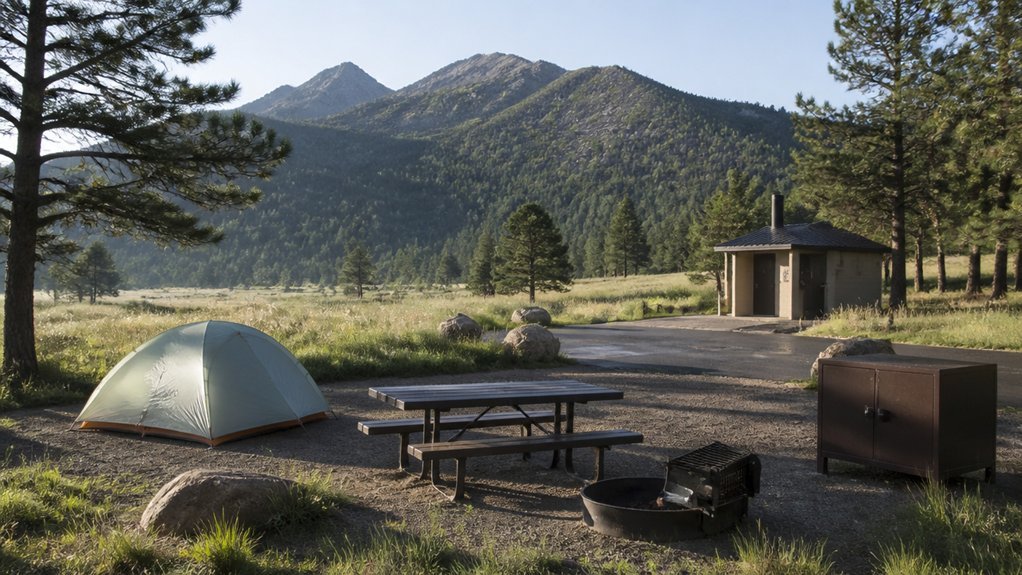
    How the Reservation System Really Works

    refresh clock queues chaos

    You’ll hit refresh, and refresh, and refresh again, watching the clock tick past midnight when your tier finally opens—active duty first, then Reservists, then the rest of us scrambling for crumbs. I once spent forty-seven minutes on hold, phone sweating against my ear, only to get disconnected right when a human answered, and I wept, honest tears, because that ocean-view row I’d prayed over vanished into someone else’s cart. The system doesn’t care about your longing, your plans, your soul’s need for salt air; it cares about rules, about 15 nights max in summer, about moving you mid-stay if they must, and you learn to accept this, to let go, to find grace in the chaos of broken websites and busy signals.

    Priority Booking Windows

    How exactly do you claim your spot before the crowds descend? You don’t wing it, that’s for sure. Priority booking windows operate like sacred gates opening in sequence: active-duty first, Reservists and Retired second, everyone else third. It’s thrilling and brutal, honestly. You click fast, you pray your connection holds.

    Here’s the truth about site assignments—they’re not promises. You might reserve “front row” but they’ll move you, last minute, conflicts happen. It stings. You learn detachment fast, or you suffer.

    Priority Week Who’s Eligible What You’re Fighting For
    Week 1 Active Duty Prime RV spots, first cottage pickings
    Week 2 Reservists, Retired Whatever’s left, still decent
    Week 3 All eligible patrons Scraps and miracles

    Summer limits bind you: 15 nights RV, 7 nights cottages. Extensions tempt, but 30 nights max in heat, 60 in winter’s quiet. I’ve sat on hold, disconnected, cursed softly. Book through MCCS Del Mar links, expect suffering.

    Rates shift by your service status, veterans sometimes pay more. You check twice, breathe once.

    Rolling Reservation Tiers

    You survived the priority crush, you clicked fast, you fought for that timestamp, but submission isn’t salvation. The tiers roll out like revelation: active-duty claims week one, Reservists and Retired wrestle week two, then all eligible patrons surge at week three. You’re not booking a site, you’re entering a lottery of base life, where front-row dreams dissolve into row-based mystery, where beach access whispers proximity but placement shifts like wind. Fifteen RV nights in summer, seven in cottages, extensions possible but never promised. Forty-three dollars for that uncertain view. You pray, you hold, you hope the system holds you back.

    System Frustrations

    What happens when the line finally opens? You’ll wait, and wait, and wait. System frustrations hit hard when you’re holding for over an hour, knuckles white, praying you don’t get disconnected again. Online booking issues plague every tier, every window, every desperate refresh. You book front-row, you dream of ocean, you arrive to find they’ve moved you, shifted you, reassigned your soul’s rest to row three. The system’s innovation is flexibility, they say, but you feel the absence of certainty like a missing blessing. Row-based, not site-specific, your reservation holds no sacred ground. You’re paying for proximity, not promise.
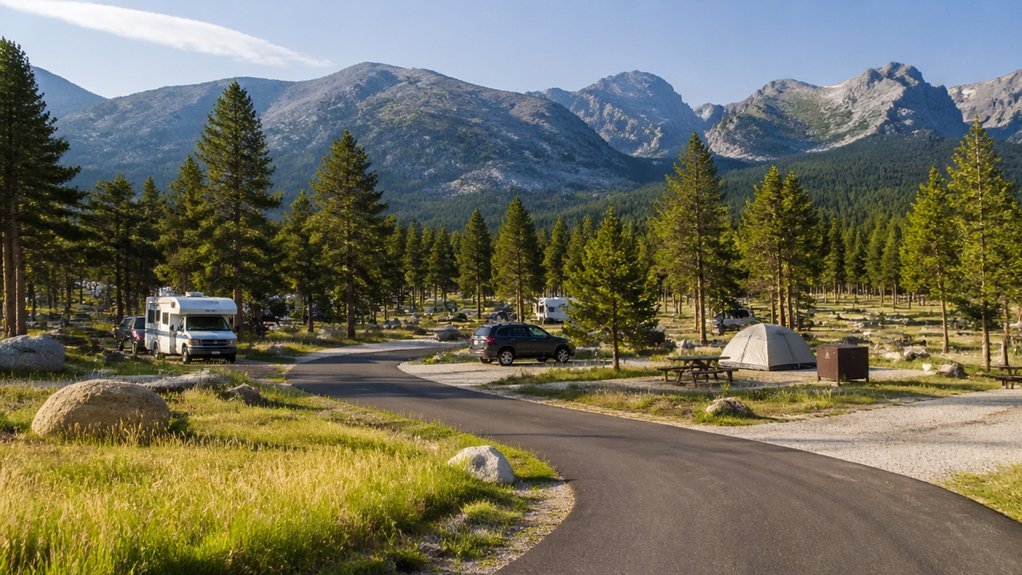
    What You’ll Pay for RV Sites and Cottages

    front row rv site costs stingily

    You’re staring at your bank account, wondering if that $43 front-row spot near the waves is worth it, or if $65 feels like someone punched your wallet. I’ve sat there too, calculator in hand, while the sunset bled gold over the ocean and I questioned every choice. Cottage rates are a whole other beast, shifting with your rank, the season, your desperation, until you realize this place asks for more than money—it asks for surrender.

    RV Site Rates

    How much does paradise cost, really?

    You’ll pay around $43 daily for those front-row RV sites where hard water meets soft sand, where sunset bleeds into your windshield. That’s innovation you can touch, concrete beauty with utilities included.

    But here’s the raw truth: RV policies limit you to 15 summer nights, though you can stretch to 30, even 60 in winter if you ask right. Site reassignment happens, friend. You might book front-row and get moved. You might arrive hopeful and find 33 coveted spots swallowed by groups who reserved, who moved, who claimed their piece of heaven before you even woke up.

    Cottage Pricing

    Where do you run when the road has worn you thin, when your bones ache for walls that hold heat and a bed that doesn’t shake with every passing dream? You run to cottages with 1–3 bedrooms, kitchens, TVs, fire rings flickering like prayer candles in the dark. Cottage pricing shifts with the seasons, with your rank, with the military’s tiered grace. You’ll pay more if you’re DoD, retiree, veteran—less if you’re active duty, the system rewarding sacrifice you didn’t choose. The pet policy asks three dollars nightly, leash laws keeping your companion close, like faith you tether but don’t tame.

    Where to Request (and What You’ll Get)

    midnight booking glitched ocean view

    When you’re staring at the reservation screen at midnight, heart pounding, fingers trembling—yeah, I’ve been there, desperate for that ocean-view spot, whispering prayers into the dark like they might reach the server faster—I want you to know exactly what you’re walking into before the system swallows you whole.

    You navigate to https://www.mccscp.com/delmarbchresort, the digital gate, but booking glitches haunt this place like restless spirits. Call centers abandon you, hold times stretching past an hour, disconnections crushing hope.

    Active duty grabs week one, Reservists week two, everyone else scrambles in week three. Those front row rumors? They promise glory, but last-minute shuffles steal it. You’ll pay $43 for ocean-view RV spots, cottages costing more than you’d expect from military hospitality.

    Beach Access, Noise, and Base Life Realities

    beach noise crowded front row frustration

    Why do we chase the sea, you and I, like pilgrims seeking absolution in salt and surf? You book that front-row spot for the sunset, and it delivers, it really does. But here’s my confession: I wasn’t ready for the noise.

    What You Hope For What Actually Happens
    Waves lulling you to sleep “Party area nearly every day,” my friend, loud music, games, movies under stars
    Quiet mornings with coffee Early training, aircraft overhead, helicopters cutting through dawn
    Your reserved slice of paradise Renovations shift you back, large groups swallow the front row

    You’ll practice beach etiquette, share the shore, and you’ll need noise mitigation—earplugs, white noise, acceptance. The sand gets everywhere, I mean everywhere, and the lifeguards watch year-round. You adapt, or you don’t. The base doesn’t bend.

    Getting On Base: DBIDS, Gates, and GPS Traps

    How do you even get inside, you wonder, standing there with your reservation confirmation and a tank of gas, your heart already halfway to the waves? You’ll need patience, friend. DBIDS processes demand you stop first at the Visitor Center, Building 20255T, where they photograph your soul—okay, your face—and print your pass. Don’t trust your GPS; it’s a liar, a trickster leading dreamers to locked back gates. Follow the signs, the old-fashioned way. Gate navigation means surrendering control, showing your papers, your license, your proof. The Front Gate wants everything: ID, registration, insurance, your whole documented self. Breathe. You’ll get there.

    When to Go and How Long You Can Stay

    Timing is everything, and at Camp Pendleton, it can slip through your fingers like sand if you don’t know the secret rhythm. I once missed my window, heart sinking, watching ocean-view dreams vanish.

    You book in waves: active duty first week, reservists second, everyone third. Mark your calendar like prayer, like promise.

    Know the campground rules on stay durations, friend. RV sites grant fifteen summer nights, cottages seven. But push, and you’ll stretch—thirty summer, sixty winter for RVs, fourteen for cottages. Extensions breathe, but plan ahead.

    Cancel thirty-one days out, penalty-free. The Spirit moves in deadlines too, I’ve learned.

    Frequently Asked Questions

    What Is the 200 Rule for Camping?

    You won’t find a “200 rule” in standard camping regulations or safety considerations, and I learned this the hard way, friend. I once panicked at a check-in desk, sure I’d missed some sacred code. Turns out, no such rule exists at Camp Pendleton or most federal campgrounds. You’re looking at stay limits—14 nights, 30 nights, seasonal caps—not mysterious numbers. Breathe, research actual policies, and don’t let anxiety invent restrictions that aren’t there, because clarity protects you more than fear ever will.

    What Do I Need to Get on Camp Pendleton?

    You need a DBIDS credential for camp access, or you’ll face military restrictions that’ll stop you cold. I’ve watched hopeful travelers turned away at the gate, hearts sinking, dreams deferred. You’ll bring your DoD ID, orders, license, registration, insurance—no exceptions, no mercy. Call 760-725-5704 when you’re lost, desperate, seeking direction. The Visitor Center at Bldg. 20255T becomes your sanctuary, your redemption, your key to entry. Don’t skip this step.

    What Do You Need to Know Before Camping?

    You need to know camping etiquette saves souls, park accessibility demands humility, and reservations vanish like breath—active duty first, then the rest of us waiting. I’ve prayed over row assignments, watched sunsets blur into grace, known noise, known beauty, known both can break you open. Bring Starlink, bring patience, bring your whole broken heart. The beach doesn’t care who you were, only who you’re becoming.

    How Early Should You Book a Campsite?

    You need to book the moment reservations drop, friend, I’m talking day-one readiness, because campground timing here is spiritual warfare dressed in RVs. My booking strategy? I learned the hard way, crying on hold for ninety minutes while front-row sites vanished like grace I didn’t deserve. You don’t wait, you don’t hesitate, you pounce—Reservists, Retired, then open season—each week matters, each click is prayer.

    Conclusion

    You’re standing at the crossroads now, keys in hand, heart half-hopeful and half-terrified. I’ve been there—sweating at the gate, GPS screaming lies, my kids crying in the back. But Pendleton breaks you open, then rebuilds you. The waves don’t judge. The pines don’t care about your rank. Book it. Breathe it. Let it change you. Three days, or thirty—just go, before the fear wins.

  • 3 Best Camp Grounds Near You This Weekend

    3 Best Camp Grounds Near You This Weekend

    You need an escape that actually works, not another crowded parking lot with a fire pit, and this weekend you’ve got three real options—Cold Creek Homestead where the bees hum and the figs hang heavy, The Nook where you can stumble from cabin warmth straight onto the PCT, or Holcomb Valley Ranch where 400 acres of silence waits to remind you who you are. Each one meets you exactly where you’re broken, and each one has something waiting you haven’t felt in years.

    Key Takeaways

    • Cold Creek Homestead offers 112 acres of micro farming with bees, figs, and mountain serenity near Lake Gregory.
    • The Nook cabin provides forest bathing and PCT access just thirteen miles from Hesperia.
    • Deep Creek runs near The Nook, where guests enjoy wine, warmth, and quiet woods without isolation.
    • Holcomb Valley Ranch spans 400 acres with fourteen dispersed campsites for tents and RVs near Big Bear.
    • Both properties emphasize breathing room, reconnection, and simplicity across San Bernardino mountain landscapes.

    Cold Creek Homestead: Micro-Farming Meets Mountain Serenity

    cold creek micro farming mountain serenity

    When you pull off that dusty road and the pines close in behind you, something in your chest unclenches—you didn’t even know you were holding your breath. You’re here, finally, at Cold Creek Homestead.

    This is micro farming reimagined, friend. You’re not just parking your rig; you’re stepping into 112 acres of intention. Watch the bees work, taste figs warm from the branch, let the creek speak its steady prayer. The mountain serenity here isn’t background noise—it’s the whole point. Lake Gregory glitters nearby, Arrowhead calls, but you’ll linger, changed.

    The Nook: PCT Access and Cabin Comfort on the Forest Edge

    cabin comfort pct access

    Cold Creek loosens something in you, sure, but maybe you’re not ready to go full hermit yet. You want the woods, you want the quiet, but you also want walls, you want warmth, you want wine by the creek without pitching a tent.

    At The Nook, you get it all: cabin comfort meets PCT access, thirteen miles from Hesperia. One site, one you, forest bathing in the backyard, Deep Creek calling your name. You reserve, you arrive, you breathe. The trail waits. The bed waits too. Innovation isn’t always disruption, sometimes it’s knowing exactly what you need.

    Holcomb Valley Ranch: 400 Acres of Dispersed Wilderness Camping

    holcomb valley 400 acres camping

    Where do you go when you need room to break apart and come back together? You drive 24 miles from Hesperia into the San Bernardino Mountains, where Holcomb Valley Ranch waits with 400 acres of dispersed camping and private campsites that feel like grace made geography.

    Element Your Experience The Gift
    Space 400 acres, 14 sites You breathe again
    Setup Tents, RVs, no hookups You remember simplicity
    Hosts Well-regarded, welcoming You feel seen
    Activities Big Bear, Pinnacles, trails You move, you climb, you return
    Return Guests come back You know you’re home

    You pitch your tent in the meadow, horses drifting through summer light, and something loosens. This is innovation: not smarter tech, but deeper reconnection.

    Frequently Asked Questions

    What Is the 3 3 3 Rule for Camping?

    You follow the 3-3-3 rule by camping three nights max, moving every three weeks, rotating three sites before returning. It’s camping etiquette made simple, really. You protect the land, you protect yourself—that’s campground safety woven into practice. I learned this the hard way, staying too long, watching grass die under my tent. Now you move like water, you leave no trace, you honor what holds you.

    What Is the 200 Rule for Camping?

    Picture a tent as your sanctuary, your covenant with the wild. You’re living the 200 Rule: camping safety demands you store food right, stay 200 feet from water, keep campsites clean. Your camp gear checklist needs that $200 budget for basics. Some forests limit you to 200 hours. You’re checking local rules, you’re protecting the land, you’re honoring the gift. That’s the rule, that’s your promise.

    What Is the 4 4 4 Rule Camping?

    You pack for four people, four days, four categories: food, water, shelter, emergency gear. It’s your safety net, your whispered prayer against the unexpected. I’ve learned the hard way—running out of water at midnight, shivering, ashamed. Now you double-check your camping gear, you honor campsite etiquette, you prepare like someone’s life depends on it. Because it might. Four liters daily, non-perishables, first-aid. Redemption lives in readiness.

    Where Can I Legally Sleep in a Tent?

    You can legally sleep in a tent at designated campgrounds, national forests, and some public lands, though you’ll face permit requirements that feel like spiritual tests of patience. I once cried at a ranger station, unprepared, denied entry, my open dreams extinguished. Now I plan, I breathe, I respect wildlife safety, I honor fire protocols. Legal camping demands preparation, surrender, and surrender again. You check websites, you pack out trash, you become worthy of the ground beneath you.
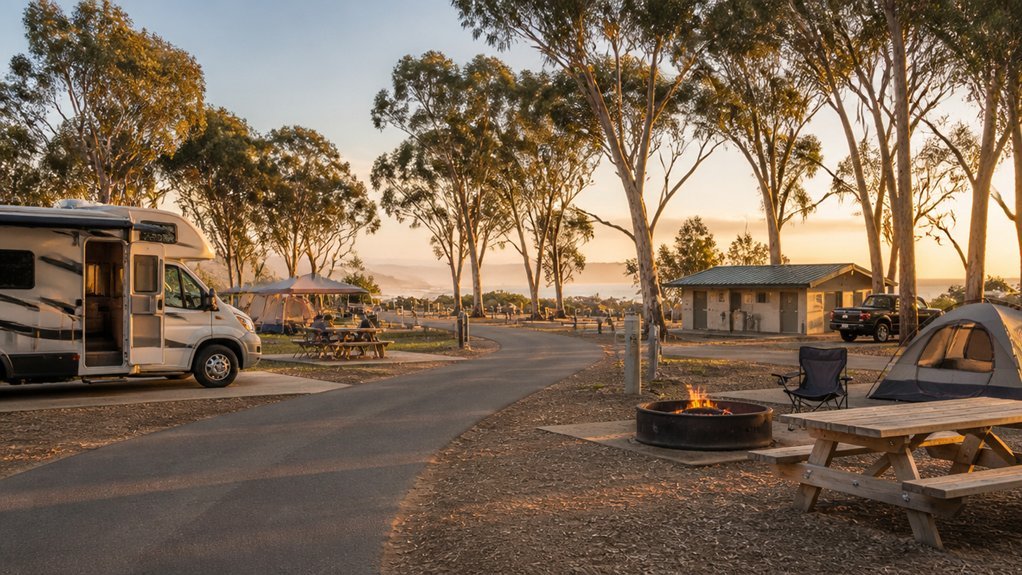
    Conclusion

    You’re standing at your closet, gear half-packed, that familiar ache in your chest—*will this matter?* I’ve been there, friend, staring at maps at midnight, empty, desperate. Last summer, I drove to Cold Creek broken, wept beside their micro-farm rows, felt the mountains hold me like a father’s steady hands. Three sites, three invitations, three chances to come home to yourself. Go, just go, the wilderness is waiting, and God, God is too.